Editorial Review
Author: PurePep Vital Research Editorial Team|Reviewed by: Scientific Compliance Reviewer
Last reviewed: November 2025
The Hallmarks of Aging and Peptide Intervention Points
In 2013, researchers López-Otín et al. published a landmark paper in Cell. It identified nine hallmarks of biological aging:
- Genomic instability
- Telomere attrition
- Epigenetic alterations
- Loss of proteostasis
- Deregulated nutrient sensing
- Mitochondrial dysfunction
- Cellular senescence
- Stem cell exhaustion
- Altered intercellular communication
This framework transformed aging research from a vague pursuit of "anti-aging" into a systematic science targeting specific, measurable biological processes.
Anti-aging peptides are uniquely positioned within this framework. They can target specific hallmarks with precision that small molecule drugs and broad lifestyle steps cannot match.
Unlike antioxidant supplements (which address oxidative stress without specificity) or caloric restriction (which controls nutrient sensing pathways broadly), longevity peptides interact with defined receptors and signaling cascades. They control individual hallmarks while leaving others undisturbed.
The most studied anti-aging peptides include Epitalon (telomere attrition), GHK-Cu (altered intercellular communication, stem cell exhaustion), SS-31/Elamipretide (mitochondrial dysfunction), FOXO4-DRI (cellular senescence), and thymic peptides like Thymalin (immune aging). Each targets a distinct hallmark. Emerging research explores whether combining them can produce additive or combined effects on biological age. For basic peptide biology, see our complete peptide guide.
Epitalon: The Telomerase-Activating Peptide
Epitalon (also spelled Epithalon; sequence Ala-Glu-Asp-Gly) is a synthetic tetrapeptide based on Epithalamin. This is a natural peptide extract from the pineal gland studied widely by Russian gerontologist Dr. Vladimir Khavinson over four decades of research. Epitalon targets what many researchers consider the most basic hallmark of aging: telomere attrition.
Telomeres — the protective caps at chromosome ends — shorten with each cell division. This eventually triggers replicative senescence (the permanent stop of cell division). This progressive shortening acts as a biological clock.
It limits the growth lifespan of somatic cells. Telomerase, the enzyme that rebuilds telomeres, is active in stem cells and germ cells but largely silenced in other tissues. This is why most tissues accumulate senescent cells over time.
Epitalon reactivates telomerase in somatic cells. A study by Khavinson et al. in the Bulletin of Experimental Biology and Medicine showed that Epitalon increased telomerase activity by 2.4-fold in human pulmonary fibroblasts. This extended their replicative lifespan by about 44%. In preclinical longevity studies, Epitalon treatment increased maximum lifespan by 13.3% in treated groups compared to controls.
Beyond telomere maintenance, Epitalon stimulates melatonin production by the pineal gland. This counteracts the age-related melatonin decline that disrupts sleep architecture, circadian rhythms, and antioxidant defense (melatonin is one of the body's most potent natural antioxidants).
This dual process — telomerase activation plus melatonin restoration — makes Epitalon one of the most compelling anti-aging peptides. Learn more about Epitalon sleep benefits in our sleep peptide guide.
GHK-Cu: Gene Expression Reprogramming for Longevity
GHK-Cu (glycyl-L-histidyl-L-lysine:copper(II)) is a natural tripeptide whose age-related decline — from 200 ng/mL at age 20 to 80 ng/mL at age 60 — closely parallels the path of biological aging. While GHK-Cu is best known for skin renewal, its anti-aging potential extends far beyond dermatology.
The landmark 2010 gene profiling study by Campbell et al. revealed that GHK-Cu controls the expression of over 4,000 human genes. This represents about 6% of the human genome.
The gene expression pattern induced by GHK-Cu shifts aged tissue toward a younger profile. Genes tied to tissue repair, antioxidant defense, and stem cell maintenance are upregulated. Genes tied to inflammation, fibrosis, and cellular senescence are downregulated.
Specific longevity-relevant GHK-Cu processes include:
- Upregulation of DNA repair genes (reducing genomic instability, hallmark #1)
- Activation of superoxide dismutase and glutathione systems (combating oxidative stress)
- Suppression of pro-inflammatory cytokines IL-6 and TNF-α (reducing inflammaging)
- Stimulation of mesenchymal stem cell differentiation (addressing stem cell exhaustion, hallmark #8)
- Control of TGF-β signaling to reduce fibrotic tissue remodeling
The breadth of GHK-Cu gene expression effects has led some researchers to call it a "gene expression reset." It shifts the entire transcriptomic landscape toward a younger configuration. For detailed GHK-Cu processes, see our GHK-Cu research guide.
Free Peptide Calculator
Calculate precise reconstitution volumes and dosages with our peptide calculator tool.
SS-31/Elamipretide: Targeting Mitochondrial Aging
Mitochondrial dysfunction is now seen as a central driver of biological aging.
As mitochondria accumulate damage to their DNA (which lacks the repair tools of nuclear DNA), they produce more reactive oxygen species (ROS), less ATP, and trigger inflammatory signaling through released damage-associated molecular patterns (DAMPs).
This creates a vicious cycle: damaged mitochondria produce more ROS, which damages more mitochondria.
SS-31 (also known as Elamipretide, sequence D-Arg-Dmt-Lys-Phe-NH₂) is a mitochondria-targeted tetrapeptide. It concentrates selectively in the inner mitochondrial membrane (IMM) at 1,000–5,000 fold higher levels than in the cytoplasm. It binds to cardiolipin, a phospholipid unique to the IMM that is essential for electron transport chain (ETC) function and cristae structure.
Research in the Journal of the American Society of Nephrology and Aging Cell shows that SS-31 restores mitochondrial bioenergetics by:
- Stabilizing cardiolipin-dependent cristae structure (optimizing ETC complex organization)
- Reducing electron leak and ROS production by up to 50%
- Improving ATP synthesis efficiency
- Preventing cytochrome c release (reducing apoptotic signaling)
In aged preclinical models, SS-31 treatment restored skeletal muscle mitochondrial function to levels comparable to young controls within 8 weeks.
The implications for aging are profound. By restoring mitochondrial function, SS-31 addresses both the energy deficit in aged tissues and the oxidative stress and inflammation that damaged mitochondria spread to the rest of the cell. Explore our SS-31 research guide for detailed process analysis.
Get Peptide Research Updates
New research, product launches, and exclusive offers. No spam.
Senolytic and Senomorphic Peptides
Cellular senescence — the buildup of cells that have permanently stopped dividing but remain metabolically active — is now considered a primary driver of age-related disease and tissue dysfunction. These cells secrete inflammatory factors (the senescence-associated secretory phenotype, or SASP). Senolytic compounds clear senescent cells. Senomorphic compounds suppress the SASP without killing the cells.
FOXO4-DRI: The most directly senolytic peptide in current research is FOXO4-DRI. This D-retro-inverso peptide disrupts the interaction between FOXO4 and p53 in senescent cells. Normally, FOXO4 sequesters p53 in senescent cells, preventing the apoptosis that would naturally eliminate them. FOXO4-DRI blocks this interaction, releasing p53 to trigger senescent cell death.
Research by Baar et al. in Cell (2017) showed that FOXO4-DRI selectively cleared senescent cells in aged mice. It restored fur density, renal function, and physical activity to levels approaching young controls.
Humanin: A 24-amino-acid mitochondria-derived peptide that acts as a senomorphic agent. It suppresses SASP factor production without killing senescent cells. Humanin levels decline with age and correlate inversely with frailty and cognitive decline.
Research in Aging Cell shows Humanin suppresses NF-κB-driven inflammation, improves insulin sensitivity, and protects neurons from amyloid-beta toxicity. It addresses multiple age-related pathologies through a single signaling axis.
Thymalin/Thymulin: Thymic peptides address immune aging (immunosenescence). This is the progressive decline of immune function that increases infection risk, cancer risk, and chronic inflammation in aging. Thymalin restores T-cell differentiation and thymic output.
This effectively reverses one of the earliest and most impactful aspects of immune aging. Khavinson research protocols combining Thymalin with Epitalon showed reduced cardiovascular mortality and extended lifespan in long-term clinical observation studies.
Important Disclaimer
All products and information on this page are intended strictly for laboratory and scientific research use only. Not for human consumption. These statements have not been evaluated by the FDA.
NAD+ Pathway Peptides and Metabolic Aging
NAD+ (nicotinamide adenine dinucleotide) is a coenzyme essential for mitochondrial function, DNA repair, and sirtuin activation. All of these decline with age. NAD+ levels decrease about 50% between ages 40 and 60.
This decline is now considered a key driver of metabolic aging. While NAD+ precursors like NMN and NR have received major attention, peptide-based approaches to NAD+ pathway control offer different processes.
MOTS-c: A mitochondria-derived peptide encoded by mitochondrial DNA that acts as a metabolic regulator. MOTS-c activates AMPK (the "cellular energy sensor") and boosts NAD+ biosynthesis pathways.
Research in Cell Metabolism (2015) showed that MOTS-c treatment reversed age-related insulin resistance, improved glucose balance, and prevented obesity in high-fat diet models. As a naturally declining mitochondrial peptide, MOTS-c levels correlate with metabolic health and longevity potential.
Humanin: Beyond its senomorphic properties, Humanin directly activates AMPK and improves mitochondrial NAD+/NADH ratios. This supports the metabolic efficiency that declines with age. Research shows Humanin levels are higher in centenarians than age-matched controls. This suggests a protective role in exceptional longevity.
These mitochondria-derived peptides represent a new class of aging interventions. They are encoded by the mitochondrial genome, secreted as signaling molecules, and decline with age in patterns that mirror the progression of aging itself.
Restoring their levels through supplementation may address the metabolic root causes of aging rather than just symptoms. Learn more about NAD+ pathway science in our NAD+ peptide guide.
Building an Anti-Aging Peptide Protocol
A complete anti-aging peptide protocol targets multiple hallmarks at once. Aging is a multi-factorial process requiring multi-factorial intervention. The following framework comes from published research and is for research reference only.
Telomere Maintenance: Epitalon 5–10 mg daily for 10–20 day courses, repeated every 4–6 months. This intermittent protocol allows sustained telomerase activation without continuous dosing. It is based on Khavinson published protocols showing long-lasting telomerase effects after short treatment courses.
Gene Expression Optimization: GHK-Cu topically at 1–2% concentration daily for skin-specific effects. Some research protocols use subcutaneous injection at 1–3 mg daily for systemic gene expression control. The systemic route targets the 4,000+ gene regulatory network beyond dermal tissue.
Mitochondrial Support: SS-31 research protocols use 0.5–5 mg/kg in preclinical studies. Human trials for Barth syndrome and heart failure have used 4–40 mg intravenous or subcutaneous doses. Optimal human anti-aging dosing is still being established.
Senescent Cell Management: FOXO4-DRI research protocols use intermittent dosing (typically 3 times per week for defined courses). This clears accumulated senescent cells without disrupting beneficial senescent cell populations involved in wound healing and tumor suppression.
Immune Rejuvenation: Thymalin 10 mg daily for 10 days, repeated annually per Khavinson longevity protocols. This addresses the immunosenescence that underlies increased infection and cancer risk with aging. Research listings compare third-party offers—verify COAs with sellers; we don’t test compounds.
Measuring Biological Age: Tracking Peptide Protocol Effects
Unlike chronological age, biological age can be measured and modified. Tracking biological age markers is essential for evaluating anti-aging peptide protocols. Key biomarkers include:
Epigenetic Clocks: DNA methylation-based age predictors (Horvath clock, GrimAge, DunedinPACE) are the gold standard for biological age assessment. These algorithms analyze methylation patterns at specific CpG sites. They produce an age estimate that can differ greatly from chronological age.
Research protocols measure epigenetic age before and after peptide interventions to quantify true anti-aging effects. GrimAge in particular predicts remaining lifespan and health outcomes with high accuracy.
Telomere Length: Measured by qPCR or Flow-FISH, telomere length reflects replicative capacity. Epitalon protocols specifically target this marker. Published data shows telomere elongation after treatment courses. Telomere length is most informative when tracked over time (rate of change) rather than as a single snapshot.
Inflammatory Markers: hs-CRP, IL-6, and TNF-α levels reflect chronic low-grade inflammation (inflammaging). Anti-aging peptides including GHK-Cu and Humanin target these markers directly. Reductions in inflammatory markers correlate with reduced biological age and disease risk across multiple aging cohort studies.
Mitochondrial Function: Measured through respiratory chain enzyme activities, CoQ10 levels, and mitochondrial membrane potential. SS-31 protocols specifically target these markers. Functional assessments like VO2max provide indirect but clinically meaningful measures of mitochondrial capacity.
NAD+ Levels: Whole blood NAD+ measurement is increasingly available. It provides a direct readout of metabolic aging status. MOTS-c and NAD+ precursor protocols aim to restore these levels toward youthful ranges. For complete peptide protocol guidance, explore our peptide therapy guide.
Research Limitations and Future Directions
Anti-aging peptide research is among the most promising frontiers in longevity science. But important limits must be acknowledged:
Translation from Preclinical to Human: Many of the most exciting findings (FOXO4-DRI senolytic effects, MOTS-c metabolic rejuvenation) come from preclinical models. The biological processes are conserved between species.
However, optimal human dosing, treatment duration, and long-term safety profiles are still being established. Epitalon and Thymalin have the longest human research histories, spanning over 30 years of Khavinson clinical observation studies.
Complexity of Aging: Targeting individual hallmarks may not produce the dramatic lifespan extension seen when multiple hallmarks are addressed at once. The interconnection between hallmarks means that fixing one (e.g., mitochondrial dysfunction) without addressing others (e.g., cellular senescence) may produce limited benefit. This is why multi-peptide protocols targeting several hallmarks at once are the focus of cutting-edge longevity research.
Biomarker Validation: Epigenetic clocks and telomere length are accepted biomarkers of biological age. However, their responsiveness to short-term interventions is debated. Changes in these markers after peptide treatment may not translate directly to lifespan extension or healthspan improvement. Long-term outcome studies (morbidity, mortality, functional capacity) are the ultimate validation — and these require decades of follow-up.
Regulatory Landscape: Most anti-aging peptides are available only as research compounds, not approved therapeutics. This limits access to clinical-grade products and creates quality control challenges in the marketplace. SS-31 (Elamipretide) is the furthest along the regulatory pathway.
It has ongoing Phase 2/3 clinical trials for mitochondrial myopathies and heart failure. For current peptide regulatory status, see our legality guide.
Important Disclaimer — For Research Use Only
The information provided is for educational and research purposes only. All peptides discussed or linked on this site are intended strictly for laboratory and scientific research use only (RUO) and are not for human consumption, injection, ingestion, or any therapeutic application. These products have not been evaluated or approved by the FDA or any regulatory body and are not intended to diagnose, treat, cure, or prevent any disease or condition. Reliance on this content is at your own risk. Consult qualified professionals for any health-related decisions. PurePep Vital disclaims all liability for misuse. Products are offered by third-party retailers for research use only.
PurePep Vital is an editorial publisher, vendor comparison resource, and affiliate deal tracker. We do not manufacture, compound, sell, ship, test, prescribe, or handle peptide products. Purchases are completed directly through third-party retailers. PurePep Vital is not a compounding pharmacy or chemical compounding facility as defined under 503A of the Federal Food, Drug, and Cosmetic Act. PurePep Vital is not an outsourcing facility as defined under 503B of the Federal Food, Drug, and Cosmetic Act.
Disclosure: This page contains affiliate links. We may earn from qualifying purchases. See our full disclosure.
Need deals after the research?
Use the deals hub to compare current offers, partner codes, and research news. We recommend retailers that provide quality signals when available.
Explore Our Guides
Related Articles

GHK-Cu Peptide: Benefits, Dosing, and Copper Peptide Research
GHK-Cu is a naturally occurring copper-binding tripeptide with over 4,000 gene-regulatory effects. Here is what the research reveals about its benefits for skin, tissue repair, and longevity.

NAD+ Peptide: Cellular Energy and Anti-Aging Research
NAD+ levels decline by approximately 50% between age 40 and 60. Research peptides and precursors that restore NAD+ are at the forefront of cellular rejuvenation science.
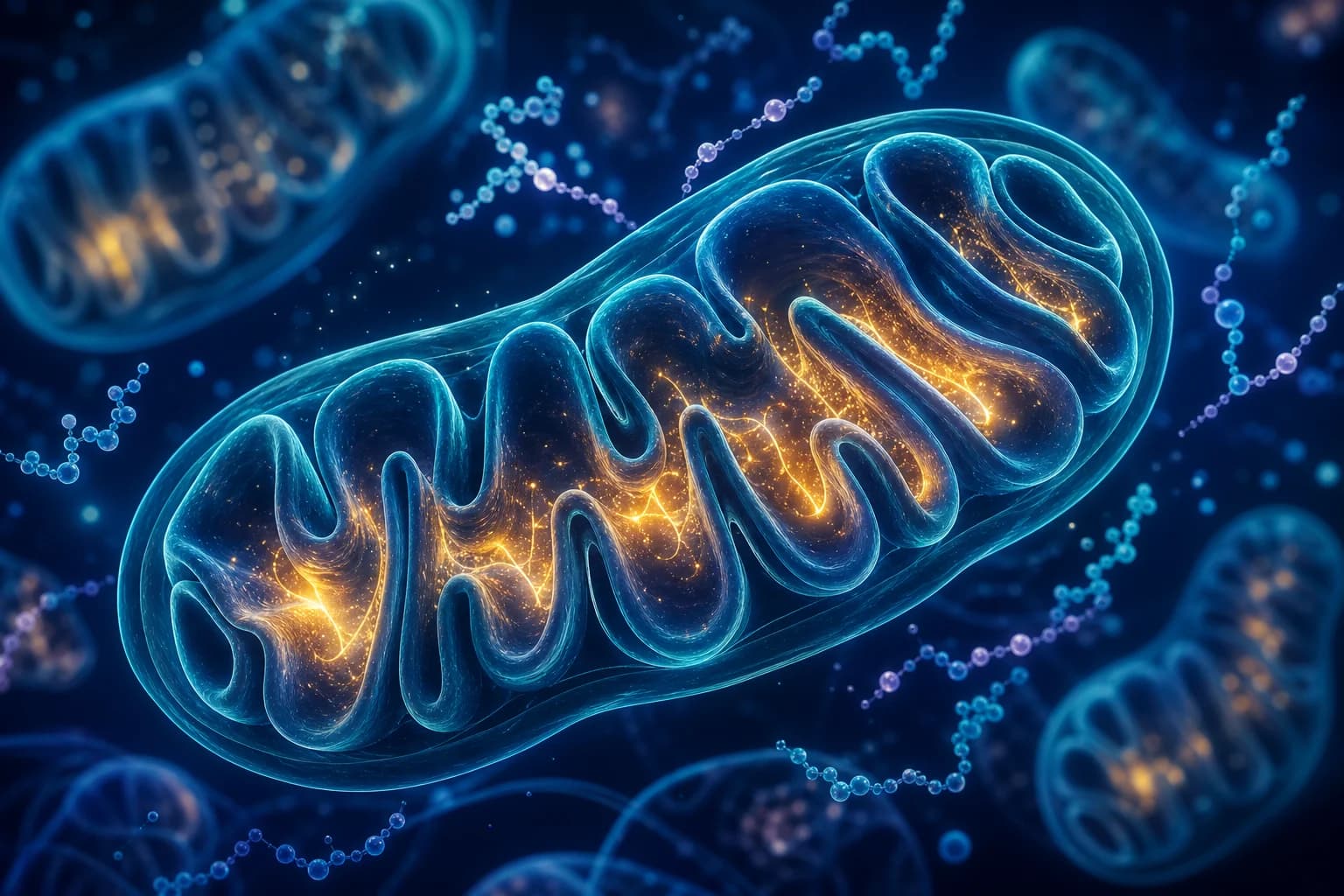
SS-31 Peptide (Elamipretide): Mitochondrial Protection Research
SS-31 (elamipretide) is a mitochondria-targeted tetrapeptide that concentrates 5,000-fold in the inner mitochondrial membrane. Research shows it restores bioenergetics in aged and diseased cells.
Glow Peptide: A Research Guide to Radiant Skin from Within
Glow peptides target the cellular mechanisms behind dull, aging skin. Here is what the science says about achieving natural radiance.
Frequently Asked Questions
The most research-supported anti-aging peptides are Epitalon (telomerase activation, melatonin restoration), GHK-Cu (gene expression reprogramming across 4,000+ genes), SS-31/Elamipretide (mitochondrial restoration), FOXO4-DRI (senescent cell clearance), and Thymalin (immune rejuvenation). Each targets a distinct hallmark of aging, and comprehensive longevity protocols often combine multiple compounds for multi-hallmark coverage.