Editorial Review
Author: PurePep Vital Research Editorial Team|Reviewed by: Scientific Compliance Reviewer
Last reviewed: January 2026
Understanding Age-Related Hormonal Decline After 50
RUO / educational scope: This page summarizes published science for researchers and educators. It does not recommend that any individual use peptides, provide dosing, or replace care from a licensed clinician. Catalog research peptides are for laboratory and analytical use unless a separate FDA-approved drug label applies.
The endocrine system undergoes predictable, well-documented changes after age 50 that collectively contribute to the phenotypic changes associated with aging: reduced lean mass, increased adiposity, decreased bone density, slower recovery, cognitive changes, and diminished vitality. Understanding these shifts is essential for contextualizing peptide research in this population.
Growth hormone (GH) secretion declines approximately 14% per decade starting at age 30, a process termed somatopause.
By age 60, 24-hour integrated GH concentration is approximately 50% lower than at age 25, and by age 70, many individuals produce GH levels indistinguishable from adult GH deficiency.
This decline is driven by increased somatostatin tone (the GH-inhibiting hormone) and decreased GHRH amplitude from the hypothalamus, rather than pituitary incapacity — a distinction that makes GH secretagogue peptides particularly relevant.
Testosterone follows a parallel decline.
The Massachusetts Male Aging Study, published in the Journal of Clinical Endocrinology & Metabolism (2007), documented total testosterone declining at approximately 1.6% per year after age 40, with bioavailable testosterone declining faster due to increasing sex hormone-binding globulin (SHBG).
By age 55-60, 20-30% of men meet biochemical criteria for hypogonadism (total testosterone below 300 ng/dL).
These hormonal changes are not independent — GH and testosterone have synergistic effects on body composition, bone density, and cognitive function. Declining both simultaneously produces compounding effects that exceed what either deficiency would cause in isolation. Peptide research targeting these axes offers a different approach than direct hormone replacement. For foundational peptide science, see the complete peptide guide.
GHRP-Class Peptides: Restoring GH Pulsatility
Growth hormone-releasing peptides (GHRPs) and growth hormone-releasing hormone (GHRH) analogs are among the most studied classes in aging-related endocrine research because they probe somatopause by amplifying endogenous GH secretion rather than replacing it with exogenous hormone in controlled studies. This distinction preserves hypothalamic-pituitary feedback regulation and produces pulsatile GH profiles that more closely resemble youthful physiology in research reports.
CJC-1295 (with DAC): CJC-1295 is a GHRH analog with a Drug Affinity Complex (DAC) that extends its half-life from minutes to approximately 6-8 days.
Research published in the Journal of Clinical Endocrinology & Metabolism (2006) demonstrated that a single subcutaneous dose of CJC-1295 increased mean GH levels by 2-10 fold and IGF-1 levels by 1.5-3 fold for 6-14 days in healthy adults aged 21-61.
This sustained elevation with a single injection makes CJC-1295 one of the most practically relevant GH secretagogues for age-related decline. For detailed data, see the CJC-1295 research guide.
Ipamorelin: Ipamorelin is a pentapeptide ghrelin receptor agonist that produces the cleanest GH release profile among GHRPs. Research in Endocrine (1998) confirmed that ipamorelin stimulates dose-dependent GH release without significantly affecting ACTH, cortisol, prolactin, or aldosterone — making it selective for GH in published pharmacology work. For compound details, see the ipamorelin research guide.
Sermorelin: Sermorelin is a GHRH(1-29) analog — the first 29 amino acids of the 44-amino-acid GHRH molecule, retaining full biological activity.
A 6-month clinical study published in Clinical Endocrinology (2001) in adults over 60 showed that sermorelin administration increased IGF-1 by 30-35%, improved lean body mass, and reduced total body fat percentage.
It was previously FDA-approved for pediatric GH deficiency and remains available for compounding. See the sermorelin peptide guide for full research.
Testosterone-Supporting Peptides
Peptides that support testosterone production operate through the hypothalamic-pituitary-gonadal (HPG) axis, stimulating the body's own testosterone synthesis rather than introducing exogenous testosterone. This approach preserves fertility, maintains testicular function, and avoids the feedback suppression that occurs with testosterone replacement therapy (TRT).
Kisspeptin: Kisspeptin is a hypothalamic neuropeptide that acts as the master regulator of the reproductive axis by stimulating GnRH (gonadotropin-releasing hormone) neurons.
Research published in the Journal of Clinical Investigation (2011) demonstrated that kisspeptin-10 administration to healthy men produced acute, dose-dependent increases in LH (2-3 fold), FSH, and testosterone.
Subsequent work explores upstream HPG-axis dynamics in aging-related endocrine models—clinical kisspeptin remains investigational and is not equivalent to buying research peptides.
HCG (Human Chorionic Gonadotropin): HCG mimics LH at the Leydig cell receptor, directly stimulating testicular testosterone synthesis. While technically a glycoprotein rather than a small peptide, HCG appears in both research literature and prescription clinical contexts—distinct from research-use catalog peptides.
A study in Fertility and Sterility (2005) showed that HCG co-administration with testosterone maintained intratesticular testosterone levels and spermatogenesis in men receiving exogenous testosterone in that trial population.
These mechanisms differ from exogenous testosterone replacement in that they presuppose functional Leydig cells—something discussed in clinical endocrinology literature, not something readers should self-apply via RUO products. For testosterone-related research topics, see the testosterone peptides guide.
Free Peptide Calculator
Calculate precise reconstitution volumes and dosages with our peptide calculator tool.
BPC-157 in Joint Degeneration Research Models
Joint degeneration — osteoarthritis, tendinopathy, and cartilage loss — becomes increasingly prevalent after age 50 and represents one of the primary limitations on physical activity, mobility, and quality of life in aging populations.
BPC-157 research is relevant to this population because the peptide has demonstrated effects on multiple tissue types involved in joint health: tendons, ligaments, cartilage, and synovial tissue.
Research published in the Journal of Orthopaedic Research (2010) demonstrated that BPC-157 accelerated Achilles tendon healing in rat models, with treated tendons achieving 85% of original tensile strength by day 14 versus 55% in controls.
The mechanism involves upregulation of type I collagen synthesis and growth hormone receptor expression in tendon fibroblasts, creating a local environment optimized for structural repair.
In osteoarthritis-relevant models, BPC-157 has shown chondroprotective effects. A study in Life Sciences (2014) found that systemic BPC-157 administration reduced cartilage degradation markers (MMP-13, aggrecanase) and preserved proteoglycan content in joint cartilage subjected to mechanical overload. The anti-inflammatory effects — mediated through modulation of prostaglandin and NO pathways — complement the direct tissue-protective actions.
In preclinical joint and tendon models, cumulative stress pathways overlap with human age-related degeneration—so these studies are cited to explain mechanism, not to claim results in people buying research materials. BPC-157's documented effects on angiogenesis are often discussed where blood supply limits repair. See the complete BPC-157 guide for additional data.
Get Peptide Research Updates
New research, product launches, and exclusive offers. No spam.
GHK-Cu for Skin Aging and Tissue Quality
GHK-Cu (glycyl-L-histidyl-L-lysine copper complex) is a naturally occurring tripeptide-copper complex that has been documented to modulate over 4,000 genes related to tissue repair, collagen synthesis, and antioxidant defense. Its relevance in dermal and tissue remodeling research stems from this broad signaling profile—not from a recommendation for personal cosmetic or therapeutic use.
Research published in the Journal of Biomaterials Science, Polymer Edition (2008) demonstrated that GHK-Cu increases collagen type I synthesis by 70%, collagen type III by 120%, and decorin (a proteoglycan that organizes collagen fiber architecture) by 5-fold in dermal fibroblast cultures.
These effects are directly relevant to skin aging — dermal collagen density decreases approximately 1% per year after age 30, contributing to wrinkle formation, thinning, and reduced elasticity.
Beyond skin, GHK-Cu's gene-modulating effects extend to wound healing, anti-inflammatory signaling, and stem cell recruitment.
A genomic study published in Genome Medicine (2012) found that GHK-Cu treatment shifted the gene expression pattern of damaged tissue toward a profile characteristic of healthy, younger tissue — including upregulation of DNA repair genes, antioxidant enzymes, and growth factor receptors, alongside downregulation of pro-inflammatory and pro-fibrotic pathways.
In published skin and wound models, GHK-Cu is often framed around quality of tissue remodeling versus sheer output—distinct from any personal “anti-aging” protocol.
Important Disclaimer
All products and information on this page are intended strictly for laboratory and scientific research use only. Not for human consumption. These statements have not been evaluated by the FDA.
NAD+ Peptides and Cellular Senescence
Nicotinamide adenine dinucleotide (NAD+) is a coenzyme essential for mitochondrial energy production, DNA repair (via PARP enzymes), and sirtuin activation — three processes that decline significantly with age.
NAD+ levels drop by approximately 50% between ages 40 and 60, contributing to mitochondrial dysfunction, accumulated DNA damage, and cellular senescence. Peptide-mediated approaches to NAD+ restoration are studied as part of comprehensive aging research.
NMN (nicotinamide mononucleotide) is the immediate biosynthetic precursor to NAD+. While not a peptide, it is frequently included in peptide-focused aging research due to its complementary mechanism.
A clinical trial published in Science (2022) demonstrated that 12 weeks of NMN supplementation in men over 45 increased muscle NAD+ levels and improved walking speed, with dose-dependent increases in NAD+ metabolites confirmed by blood and tissue sampling.
FOXO4-DRI is a peptide-based senolytic — a compound that selectively eliminates senescent cells.
Developed at Erasmus University Medical Center, research published in Cell (2017) demonstrated that FOXO4-DRI disrupts the interaction between FOXO4 and p53 in senescent cells, triggering selective apoptosis of these cells while sparing healthy, dividing cells.
In aged mice, FOXO4-DRI treatment restored fur density, renal function, and exercise capacity — reversing measurable aging phenotypes.
In research narratives on cellular aging, NAD+ restoration and senolytic clearance are often discussed as complementary layers to endocrine-axis studies—always as hypotheses and trial data, not as instructions for self-experimentation. See the NAD+ peptide research guide for additional data.
Epitalon and Telomere Research
Epitalon (Ala-Glu-Asp-Gly) is a synthetic tetrapeptide that activates telomerase — the enzyme responsible for maintaining telomere length in dividing cells. Telomere shortening is a hallmark of biological aging, and by age 50, cumulative telomere attrition has typically reduced telomere length from the newborn average of 10,000-15,000 base pairs to 5,000-7,000 base pairs in many cell populations.
Research published in the Bulletin of Experimental Biology and Medicine (2003) demonstrated that epitalon increased telomerase activity by 2.4-fold in human pulmonary fibroblasts, extending replicative lifespan by approximately 10 additional population doublings. A subsequent study in Neuroendocrinology Letters (2004) showed a 33% increase in telomere length in human blood lymphocytes over 12 months of treatment.
Epitalon also modulates pineal gland function, restoring the melatonin rhythm that declines with age. Since melatonin affects sleep quality, immune surveillance, and antioxidant defense — all of which deteriorate after 50 — this secondary mechanism compounds the telomere-focused primary effect.
In aged mice, epitalon administration extended mean lifespan by 13.7% and maximum lifespan by 12.3% while reducing spontaneous tumor incidence, as published in Biogerontology (2003).
In research discussions, telomere length is sometimes used as a measurable aging biomarker; any “pre/post protocol” language in trials refers to study designs, not DIY testing of research chemicals. For the complete epitalon research profile, see the epitalon peptide guide.
How Controlled Studies Frame Aging-Related Questions (Not Personal Protocols)
Clinical and preclinical papers on endocrine aging often report inclusion criteria, baseline labs, and safety monitoring—because regulated trials require them. That is not a template for individuals self-administering research-use catalog peptides. If you need medical evaluation of hormones or symptoms, that belongs with a licensed clinician and legally prescribed therapies—not with grey-market vials labeled for RUO.
What the literature typically reports: Studies may describe baseline testosterone, IGF-1, glucose/insulin, lipids, PSA, metabolic panels, and CBC as part of trial design. Those endpoints are for science and regulatory oversight, not a checklist for DIY use.
Dose and PK considerations in papers: Older cohorts sometimes show altered clearance or sensitivity; published dose ranges apply to the specific study context (route, population, endpoint)—they do not transfer automatically to non-study use.
GH axis and glucose: GH-axis modulation can affect glucose homeostasis in trial data—another reason endocrine experiments belong in qualified settings.
Multi-mechanism narratives: Review articles may discuss hormones, tissue repair, mitochondria, and senescence together as biology. Combining multiple experimental compounds outside a protocol raises interaction risk and is outside the scope of this educational site.
RUO reminder: PurePep Vital does not sell, ship, or test products. We link to third-party retailers for informational purposes. Research peptides are for laboratory and analytical use unless a separate drug approval applies. Browse the research peptide catalog only in that framing.
Important Disclaimer — For Research Use Only
The information provided is for educational and research purposes only. All peptides discussed or linked on this site are intended strictly for laboratory and scientific research use only (RUO) and are not for human consumption, injection, ingestion, or any therapeutic application. These products have not been evaluated or approved by the FDA or any regulatory body and are not intended to diagnose, treat, cure, or prevent any disease or condition. Reliance on this content is at your own risk. Consult qualified professionals for any health-related decisions. PurePep Vital disclaims all liability for misuse. Products are offered by third-party retailers for research use only.
PurePep Vital is an editorial publisher, vendor comparison resource, and affiliate deal tracker. We do not manufacture, compound, sell, ship, test, prescribe, or handle peptide products. Purchases are completed directly through third-party retailers. PurePep Vital is not a compounding pharmacy or chemical compounding facility as defined under 503A of the Federal Food, Drug, and Cosmetic Act. PurePep Vital is not an outsourcing facility as defined under 503B of the Federal Food, Drug, and Cosmetic Act.
Disclosure: This page contains affiliate links. We may earn from qualifying purchases. See our full disclosure.
Need deals after the research?
Use the deals hub to compare current offers, partner codes, and research news. We recommend retailers that provide quality signals when available.
Explore Our Guides
Related Articles
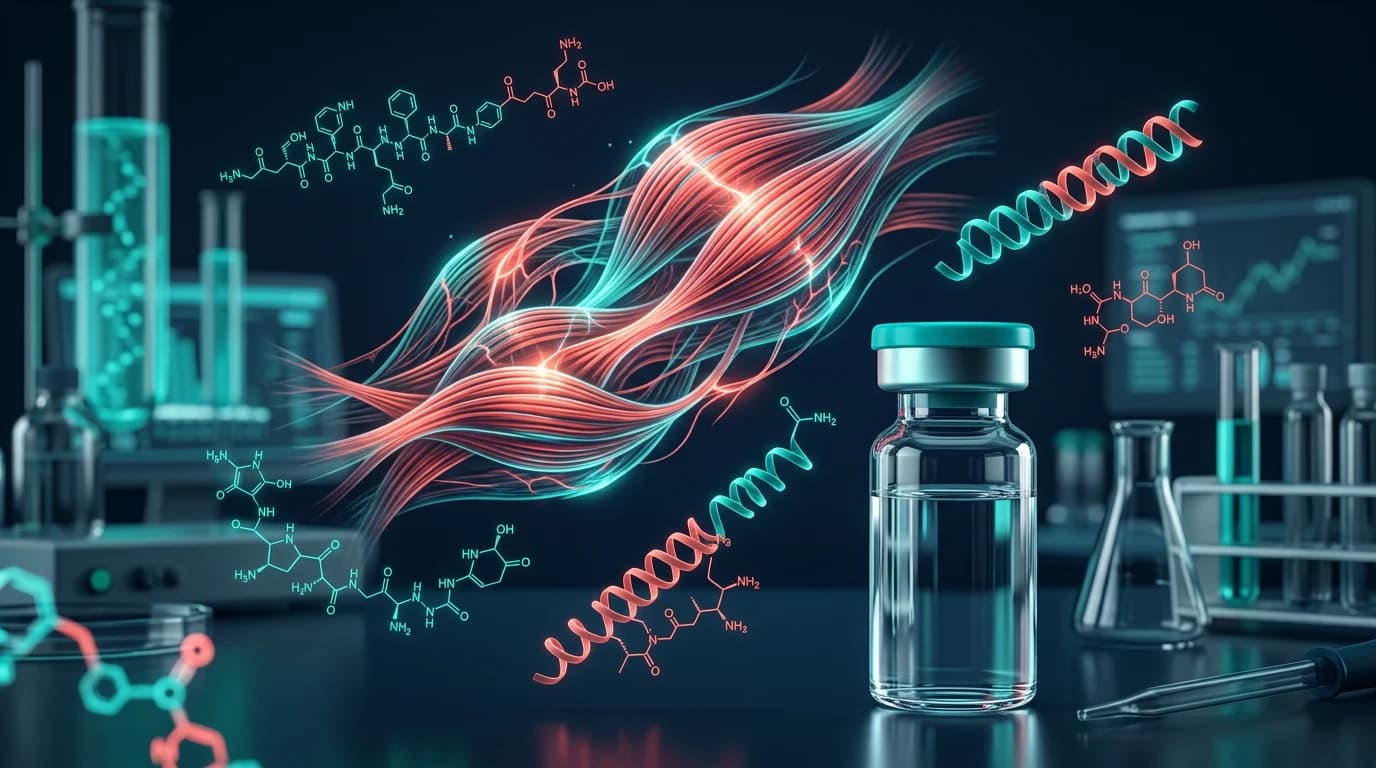
Peptides for Testosterone: Male Hormone Research Guide
Research peptides that influence the HPG axis offer a mechanistically distinct approach to testosterone optimization — interacting with the endocrine system rather than replacing it.

CJC-1295 Peptide: GHRH Analog Research
CJC-1295 is a synthetic GHRH analog that extends growth hormone release through enhanced half-life. Here is what research reveals about its mechanisms, variants, and applications.
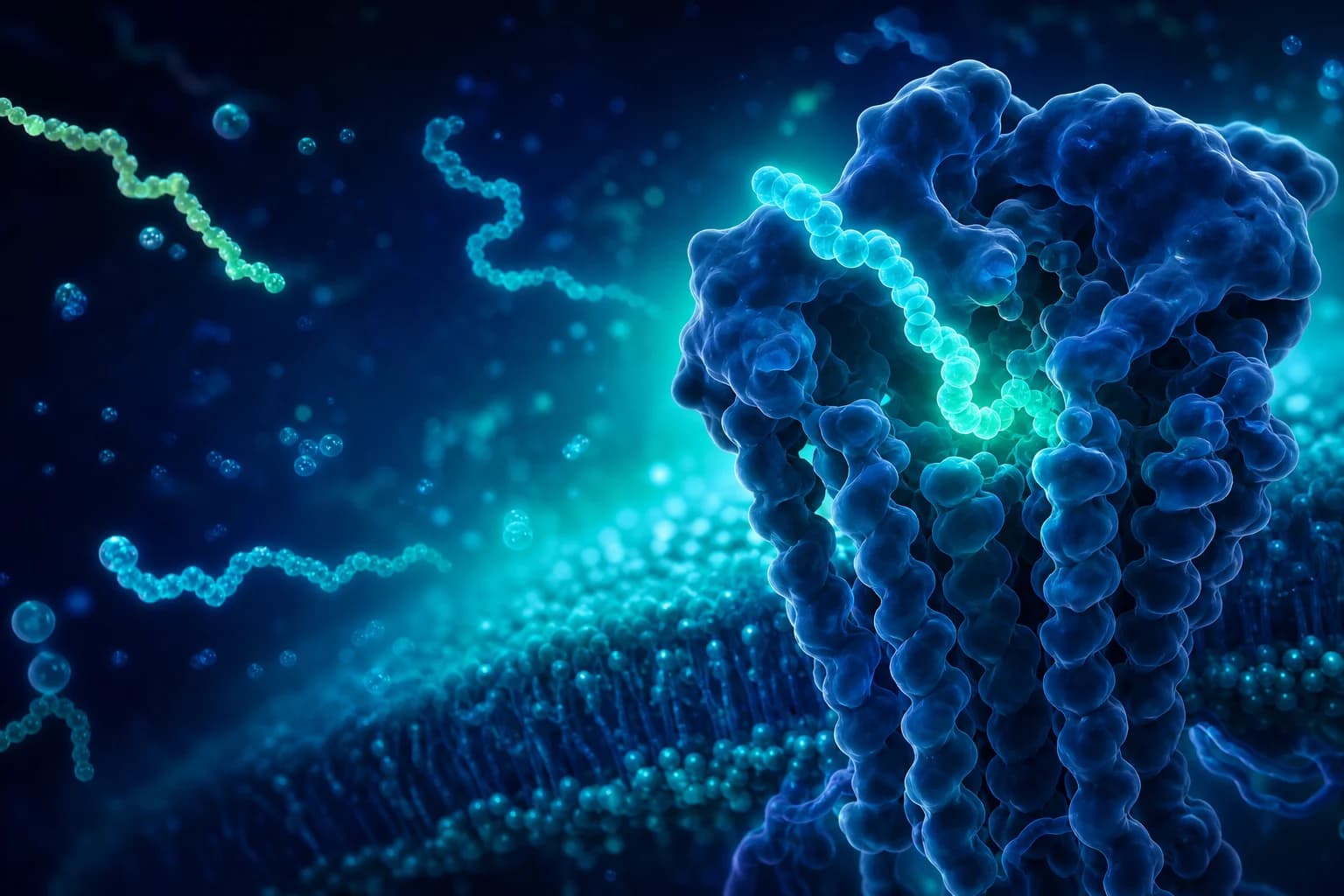
Ipamorelin Peptide: GHRP Research Explained
Ipamorelin is the most selective growth hormone releasing peptide (GHRP), stimulating GH release without the cortisol, prolactin, or appetite effects of older secretagogues. Here is what the research shows.
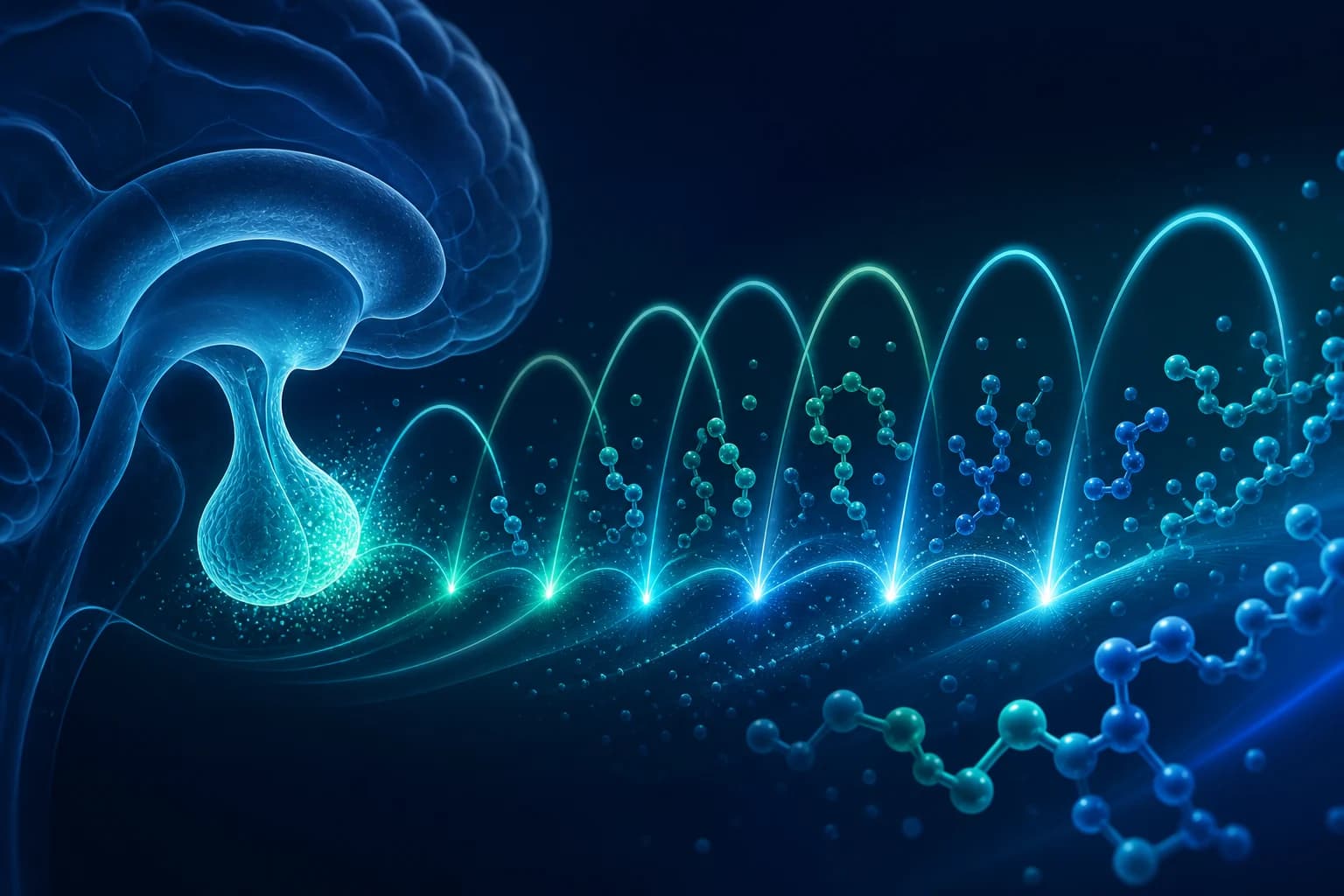
Sermorelin Peptide: Growth Hormone Research
Sermorelin is a truncated analog of growth hormone-releasing hormone (GHRH) that stimulates natural GH secretion. Here is what research reveals about its mechanisms, benefits, and clinical applications.
Frequently Asked Questions
CJC-1295, ipamorelin, and sermorelin are the most studied GH secretagogues for age-related decline. CJC-1295 with DAC increases IGF-1 by 1.5-3 fold with a single dose lasting 6-14 days. Ipamorelin provides the cleanest GH release with minimal cortisol/prolactin effects. Sermorelin increased IGF-1 by 30-35% in adults over 60 in a 6-month clinical study. All restore pulsatile GH secretion rather than replacing it.