Editorial Review
Author: PurePep Vital Research Editorial Team|Reviewed by: Scientific Compliance Reviewer
Last reviewed: October 2025
Epitalon: Khavinson's Tetrapeptide Discovery
Epitalon (also spelled Epithalon) is a synthetic tetrapeptide with the sequence Ala-Glu-Asp-Gly, developed by Dr. Vladimir Khavinson at the St. Petersburg Institute of Bioregulation and Gerontology in the 1990s.
It is a synthetic analog of epithalamin, a naturally occurring peptide produced by the pineal gland.
The core function that distinguishes epitalon from virtually every other peptide in research is its ability to activate telomerase — the enzyme responsible for maintaining and extending telomere length in dividing cells.
Telomeres are repetitive nucleotide sequences (TTAGGG in humans) that cap the ends of chromosomes, protecting genomic DNA from degradation during cell division.
Each time a cell divides, its telomeres shorten by approximately 50-200 base pairs due to the end-replication problem inherent in DNA polymerase.
When telomeres reach a critical minimum length (known as the Hayflick limit), cells enter replicative senescence — they stop dividing, accumulate, and contribute to tissue dysfunction and aging phenotypes.
Epitalon peptide research has demonstrated that this tetrapeptide can reactivate telomerase expression in human somatic cells that have otherwise silenced the enzyme.
A landmark study by Khavinson and colleagues published in the Bulletin of Experimental Biology and Medicine (2003) showed that epithalon peptide treatment increased telomerase activity by 2.4-fold in human pulmonary fibroblasts, extending their replicative lifespan by approximately 10 additional population doublings.
This positions epitalon as one of the only known peptides with direct, measurable effects on the cellular aging clock. For foundational context on peptide biology, see our comprehensive peptide guide.
Telomerase Activation by a 4-Amino-Acid Chain
Understanding why epitalon matters requires understanding telomere biology. Every nucleated human cell contains 92 telomeres — one at each end of the 46 chromosomes. In newborns, telomere length averages approximately 10,000-15,000 base pairs.
By age 65, this has typically declined to 4,000-7,000 base pairs. This progressive shortening is not merely a biomarker of aging — it is a causal mechanism driving cellular senescence, tissue dysfunction, and organismal aging.
The enzyme telomerase, a ribonucleoprotein complex consisting of a catalytic subunit (hTERT) and an RNA template (hTR), can counteract telomere shortening by adding TTAGGG repeats back onto chromosome ends. However, most adult somatic cells express little to no telomerase.
Only germ cells, stem cells, and certain immune cells maintain significant telomerase activity. This selective silencing is believed to serve as a tumor-suppression mechanism — unlimited replicative potential is, after all, a hallmark of cancer cells.
The key question for longevity research is whether transient, controlled telomerase reactivation can extend healthy cellular lifespan without increasing malignancy risk. This is precisely the mechanism that epitalon peptide research addresses.
Unlike genetic interventions that constitutively overexpress hTERT, epitalon appears to produce a moderate, regulated increase in telomerase activity — enough to measurably extend telomere length and replicative capacity without the uncontrolled proliferation associated with oncogenic transformation.
A 2004 study in Neuroendocrinology Letters demonstrated that epitalon treatment increased telomere length in human blood lymphocytes by 33% over a 12-month period.
Critically, none of the treated cell populations showed signs of malignant transformation or chromosomal abnormality, supporting the hypothesis that peptide-mediated telomerase activation operates within a physiologically safe window.
Learn more about how peptide therapy intersects with cellular repair in our peptide therapy guide.
33% Telomere Extension: Key Preclinical Data
Epitalon activates telomerase through several interconnected pathways, distinguishing it from crude genetic overexpression approaches:
Direct hTERT Gene Activation
Epitalon has been shown to upregulate the expression of the hTERT gene — the catalytic subunit of telomerase that is rate-limiting for enzyme activity.
In cell culture studies, epithalon peptide treatment increased hTERT mRNA levels by 2-3 fold within 48 hours.
The mechanism appears to involve modulation of chromatin structure at the hTERT promoter region, allowing transcription factors to access and activate the gene without permanent epigenetic alterations.
Pineal Gland Modulation and Melatonin Regulation
Epitalon was originally characterized as a pineal gland peptide bioregulator. Research demonstrates that it stimulates melatonin production by the pineal gland, restoring the circadian melatonin rhythm that declines with age.
Melatonin itself has documented antioxidant properties that protect telomeres from oxidative damage — the primary cause of accelerated telomere shortening beyond the baseline replication-associated loss.
A 2001 study in Experimental Gerontology found that epitalon-treated animals maintained youthful melatonin rhythms well beyond the age at which controls showed significant circadian disruption.
Antioxidant Gene Upregulation
Beyond melatonin, epitalon upregulates endogenous antioxidant enzymes including superoxide dismutase (SOD) and glutathione peroxidase. Since oxidative stress accelerates telomere shortening by 50-100 additional base pairs per cell division (above the replication-associated baseline), this antioxidant effect amplifies the telomere-protective impact of direct telomerase activation.
Neuroendocrine Axis Regulation
Epitalon modulates hypothalamic-pituitary function, influencing growth hormone, cortisol, and gonadotropin secretion. Age-related dysregulation of these axes contributes to tissue catabolism, immune dysfunction, and metabolic decline — all of which accelerate biological aging independently of telomere length.
By restoring more youthful neuroendocrine signaling, epitalon addresses aging through both telomere-dependent and telomere-independent mechanisms. Explore related peptides that support neuroendocrine balance in our NAD+ peptide overview.
Free Peptide Calculator
Calculate precise reconstitution volumes and dosages with our peptide calculator tool.
Pineal Gland and Melatonin Production Research
The body of published research on epitalon peptide research findings spans animal longevity studies, human cell culture experiments, and limited clinical observations. The following benefits are supported by peer-reviewed evidence — all for research purposes only:
Telomere Extension: The most well-documented epitalon peptide research finding is measurable telomere lengthening. In addition to the 33% increase in lymphocyte telomere length noted above, a study in Advances in Gerontology (2011) reported that epithalon treatment increased the number of cells with telomere lengths exceeding the critical threshold by 2.6-fold in aged cell populations.
Lifespan Extension in Animal Models: Khavinson's research group has published multiple longevity studies demonstrating significant lifespan extension in rodent models.
In a study published in Biogerontology (2003), chronic epithalon administration to aging mice increased mean lifespan by 13.7% and maximum lifespan by 12.3%.
Treated animals showed reduced incidence of spontaneous tumors — a particularly significant finding given concerns about telomerase activation and cancer risk.
Melatonin Rhythm Restoration: Epitalon restores the amplitude and circadian pattern of melatonin secretion in aged organisms. A controlled trial in elderly human subjects published in Neuroendocrinology Letters (2003) showed that epithalon peptide treatment normalized the evening melatonin peak that had been significantly blunted in untreated age-matched controls. This restoration improves sleep quality, immune function, and antioxidant protection.
Retinal Protection: In a model of hereditary retinal degeneration (Campbell rats), epithalon treatment preserved retinal structure and function, maintaining 40% more photoreceptor cells than untreated controls at 24 months. This suggests potential neuroprotective applications beyond general longevity.
Immune Function Enhancement: Epitalon has been shown to restore thymic function and T-cell diversity in aged animals. A study in Mechanisms of Ageing and Development found that epithalon-treated aged mice had T-cell repertoire diversity comparable to animals half their age, correlating with improved immune surveillance. Discover more about peptides that influence aging pathways in our anti-aging peptides guide.
Get Peptide Research Updates
New research, product launches, and exclusive offers. No spam.
10-Day Cyclical Protocol: The Published Approach
Epitalon dosing protocols vary across published studies, reflecting different research objectives, model organisms, and administration routes. The following frameworks are drawn directly from peer-reviewed literature — for research purposes only:
Subcutaneous Injection Protocols
The most commonly cited research protocol involves subcutaneous injection of epitalon at doses ranging from 5-10 mg per day, administered for 10-20 consecutive days. This is typically followed by a 4-6 month rest period before the next cycle.
Khavinson's clinical research in elderly subjects used a protocol of 10 mg daily for 10 days, repeated every 6 months. This cycling approach appears to provide sustained telomerase activation with intermittent dosing rather than requiring continuous administration.
Intranasal Administration
Some research groups have explored intranasal delivery of epitalon, leveraging the nasal mucosa's permeability to small peptides. Doses in the range of 1-3 mg administered intranasally have shown measurable increases in melatonin secretion, though direct comparison with subcutaneous routes suggests lower bioavailability. Intranasal delivery may be advantageous for pineal-specific effects given the anatomical proximity.
Intravenous Protocols
Early research by Khavinson's group used intravenous infusion of epithalamin (the natural extract from which epitalon was derived) at doses of 10-20 mg over 30-minute infusions. While this route provides complete bioavailability, it is impractical for repeated dosing protocols and has been largely replaced by subcutaneous injection in contemporary research.
Reconstitution of lyophilized epitalon with bacteriostatic water follows standard peptide preparation protocols. Use our peptide calculator to determine precise reconstitution volumes based on the intended research requirements. For broader guidance on peptide administration, see our peptide injections guide.
Important Disclaimer
All products and information on this page are intended strictly for laboratory and scientific research use only. Not for human consumption. These statements have not been evaluated by the FDA.
Epitalon vs Rapamycin vs NAD+ Approaches
Epitalon occupies a unique position among longevity-focused peptides because it targets what many researchers consider the most fundamental mechanism of cellular aging — telomere attrition. However, aging is multi-factorial, and epitalon is often discussed alongside complementary compounds that address different aging hallmarks:
Epitalon vs. NAD+ Precursors: While epitalon targets telomere maintenance (addressing replicative senescence), NAD+ precursors like NMN and NR target mitochondrial function and sirtuin activation (addressing metabolic decline).
These mechanisms are complementary rather than redundant — telomere extension means nothing if mitochondrial energy production has collapsed, and robust mitochondria cannot compensate for critically short telomeres. Research combining both approaches is an emerging area of interest.
Epitalon vs. GHK-Cu: GHK-Cu modulates over 4,000 genes related to tissue repair, collagen synthesis, and antioxidant defense but does not directly activate telomerase. Epitalon's telomerase activation and GHK-Cu's broad regenerative signaling address different layers of the aging process. Some research protocols have explored concurrent use, though published data on this specific combination is limited.
Epitalon vs. Rapamycin/mTOR Inhibitors: Rapamycin extends lifespan in animal models through mTOR inhibition, which enhances autophagy and reduces cellular growth signaling. Interestingly, mTOR inhibition and telomerase activation could be synergistic — autophagy clears damaged cellular components while telomere extension maintains the replicative capacity of healthy cells. However, potential interactions between these pathways remain under investigation.
For researchers designing comprehensive longevity protocols, epitalon's telomere-focused mechanism complements rather than competes with mitochondrial, epigenetic, and proteostatic interventions. Explore mitochondrial-targeted peptides in our SS-31 peptide guide.
| Compound | Mechanism | Clinical Evidence | Route |
|---|---|---|---|
| Epitalon | Telomerase activation | Preclinical (Khavinson) | SC injection |
| Rapamycin | mTOR inhibition | Transplant approved; aging off-label | Oral |
| NMN/NR (NAD+) | NAD+ precursor | Phase I–II trials | Oral |
| Metformin | AMPK activation | TAME trial ongoing | Oral |
Bioregulator Peptide Theory: Russian Context
Epitalon's safety profile is one of the more extensively documented among research peptides, owing to decades of investigation by Khavinson's group and subsequent independent researchers:
Cancer Risk Assessment: The most significant concern with any telomerase-activating compound is potential oncogenic risk. Multiple long-term animal studies have addressed this directly.
In the Biogerontology (2003) lifespan study, epitalon-treated mice actually showed reduced spontaneous tumor incidence compared to controls (38% vs. 64%).
This counterintuitive finding may reflect the antioxidant and immune-enhancing effects of epitalon — improved immune surveillance may offset any theoretical proliferative risk from transient telomerase activation.
Dose-Response Safety: Published studies have used doses ranging from 0.1 mcg/kg to 10 mg per day (absolute dose) across species without reported toxicity.
No studies have reported organ damage, metabolic disruption, or hematological abnormalities in treated animals or human cell systems.
A safety review published in Advances in Gerontology (2014) covering over 15 years of epithalon research concluded that the peptide has an exceptionally favorable safety profile at established research doses.
Transient vs. Constitutive Telomerase Activation: A key distinction between epitalon and genetic telomerase overexpression is the transient, regulated nature of peptide-induced activation. Telomerase activity returns to baseline within days of discontinuing epitalon administration, preventing the sustained constitutive activation that characterizes cancer cells. This pulsatile activation pattern may be a critical factor in the observed absence of oncogenic effects.
Known Considerations: While the published safety data is reassuring, several caveats apply: (1) long-term human clinical trial data remains limited, (2) individuals with existing malignancies or strong family histories of cancer should exercise particular caution, and (3) interactions with other telomerase-modulating compounds have not been systematically studied.
All epitalon research should be conducted under appropriate oversight and with awareness of these limitations. Research listings—verify COAs with retailers; PurePep does not test products.
Translation Gap: Why No Western Trials Exist
Epitalon research continues to evolve across several promising directions that may reshape our understanding of this telomere peptide:
Combination Longevity Protocols: Researchers are increasingly investigating epitalon as part of multi-peptide longevity stacks that simultaneously address telomere maintenance, mitochondrial function, epigenetic drift, and proteostatic decline. Preliminary cell culture data suggests synergistic effects when epitalon is combined with compounds targeting complementary aging hallmarks, though controlled in vivo studies are still needed.
Tissue-Specific Effects: Emerging research is mapping how epitalon's effects differ across tissue types. Skin fibroblasts, immune cells, retinal cells, and neural tissue may respond to different degrees and at different optimal doses. Understanding these tissue-specific responses will enable more targeted research protocols.
Biomarker Integration: Modern telomere measurement technologies (qPCR-based assays, Flow-FISH, and single-telomere length analysis) are enabling more precise tracking of epitalon's effects on telomere dynamics. Combined with epigenetic clocks (Horvath, GrimAge), researchers can now assess whether telomere extension translates to measurable biological age reversal — a question that earlier studies lacked the tools to address.
Delivery Innovation: Oral peptide delivery systems using nanoencapsulation and enteric coating technologies may eventually make epitalon accessible through non-injectable routes without significant bioavailability loss. Several research groups are currently evaluating sustained-release formulations that could replace the current cyclic injection protocols with continuous low-dose delivery.
The trajectory of epitalon research points toward a future where telomere maintenance becomes a standard component of comprehensive longevity interventions.
While significant work remains before clinical applications materialize, the scientific foundation — particularly the consistent lifespan extension data and favorable safety profile — makes epithalon peptide one of the most promising candidates in the longevity peptide pipeline.
For an overview of how different peptide classes contribute to healthy aging, explore our research mission.
Important Disclaimer — For Research Use Only
The information provided is for educational and research purposes only. All peptides discussed or linked on this site are intended strictly for laboratory and scientific research use only (RUO) and are not for human consumption, injection, ingestion, or any therapeutic application. These products have not been evaluated or approved by the FDA or any regulatory body and are not intended to diagnose, treat, cure, or prevent any disease or condition. Reliance on this content is at your own risk. Consult qualified professionals for any health-related decisions. PurePep Vital disclaims all liability for misuse. Products are offered by third-party retailers for research use only.
PurePep Vital is an editorial publisher, vendor comparison resource, and affiliate deal tracker. We do not manufacture, compound, sell, ship, test, prescribe, or handle peptide products. Purchases are completed directly through third-party retailers. PurePep Vital is not a compounding pharmacy or chemical compounding facility as defined under 503A of the Federal Food, Drug, and Cosmetic Act. PurePep Vital is not an outsourcing facility as defined under 503B of the Federal Food, Drug, and Cosmetic Act.
Disclosure: This page contains affiliate links. We may earn from qualifying purchases. See our full disclosure.
Need deals after the research?
Use the deals hub to compare current offers, partner codes, and research news. We recommend retailers that provide quality signals when available.
Explore Our Guides
Related Articles

GHK-Cu Peptide: Benefits, Dosing, and Copper Peptide Research
GHK-Cu is a naturally occurring copper-binding tripeptide with over 4,000 gene-regulatory effects. Here is what the research reveals about its benefits for skin, tissue repair, and longevity.

Anti-Aging Peptides: Longevity Research Compounds
Anti-aging peptides target the cellular mechanisms of biological aging — from telomere shortening to mitochondrial decline. Here is what longevity research reveals.

NAD+ Peptide: Cellular Energy and Anti-Aging Research
NAD+ levels decline by approximately 50% between age 40 and 60. Research peptides and precursors that restore NAD+ are at the forefront of cellular rejuvenation science.
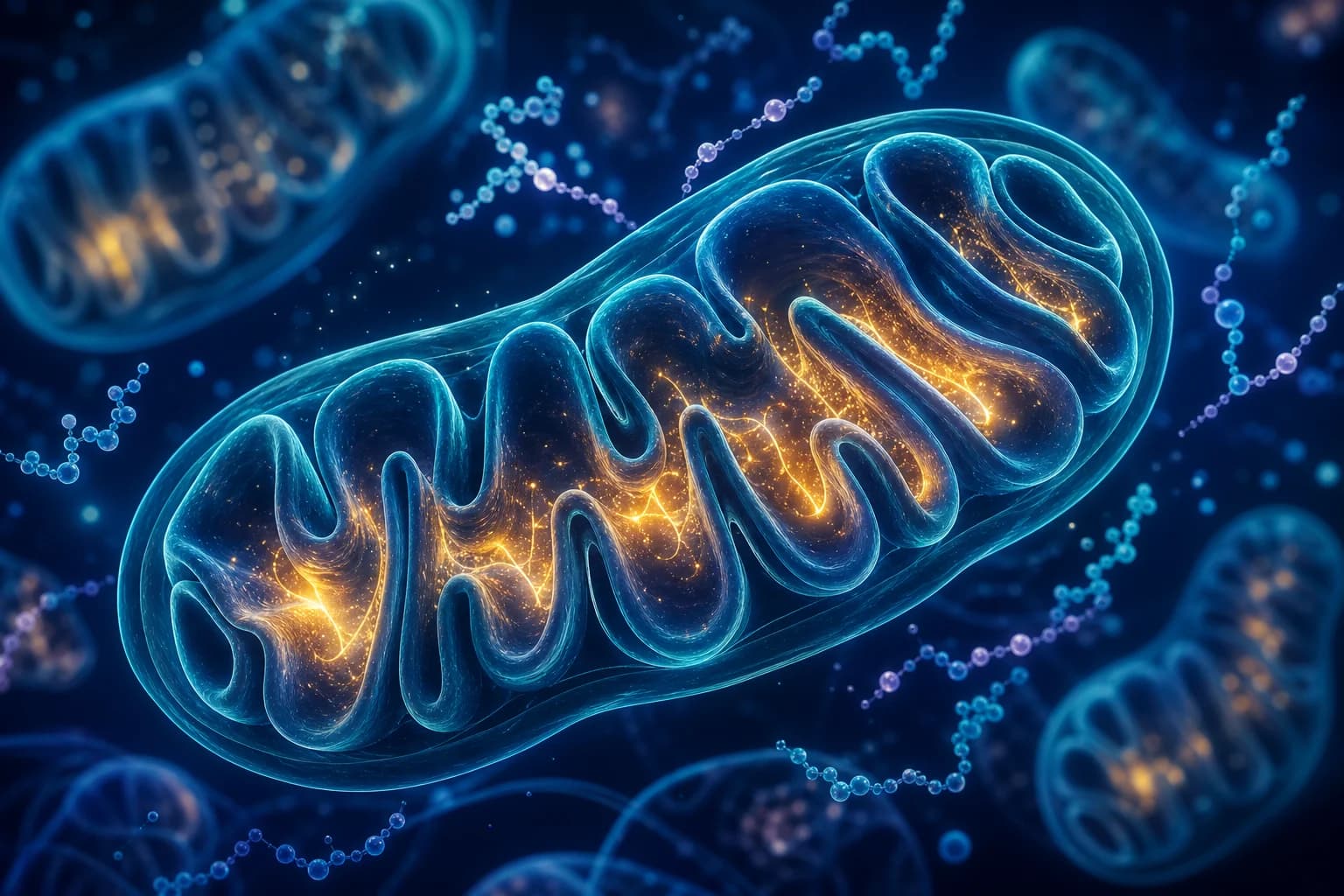
SS-31 Peptide (Elamipretide): Mitochondrial Protection Research
SS-31 (elamipretide) is a mitochondria-targeted tetrapeptide that concentrates 5,000-fold in the inner mitochondrial membrane. Research shows it restores bioenergetics in aged and diseased cells.
Frequently Asked Questions
Epitalon peptide is primarily used in research to study telomerase activation and telomere extension in human somatic cells. Published studies have investigated its effects on cellular replicative lifespan, melatonin rhythm restoration, immune function, retinal neuroprotection, and organismal longevity in animal models. All applications are for research use only.