Editorial Review
Author: PurePep Vital Research Editorial Team|Reviewed by: Scientific Compliance Reviewer
Last reviewed: January 2026
What Are Healing Peptides and Why Do They Matter?
Healing peptides are short chains of amino acids — the building blocks of proteins. They speed up tissue repair by controlling the body's key repair pathways:
- Inflammation resolution
- Blood vessel growth (angiogenesis)
- Collagen buildup
- Cell migration to injury sites
Standard anti-inflammatory drugs only suppress symptoms. Healing peptides work differently. They actively join the biological repair cascade and recruit the cellular tools needed for real tissue regrowth.
Interest in healing peptides stems from a basic limit in mammalian biology. Adult humans heal slowly and poorly:
- Tendons take 6-12 months to recover
- Muscles form scar tissue instead of working fibers
- Gut lining stays inflamed rather than fully repairing
Healing peptides boost the signaling molecules that drive efficient repair. They aim to shift these slow-healing outcomes.
Two compounds lead this research space. BPC-157 (Body Protection Compound-157) targets blood vessel growth and growth factor signaling. TB-500 (a synthetic fragment of Thymosin Beta-4) drives cell migration and stem cell activation.
Each compound handles a distinct phase of healing. Their combination has become one of the most studied recovery stacks in peptide research.
Research in Current Pharmaceutical Design (2018) documented over 100 preclinical studies on BPC-157 alone. These span gut healing, musculoskeletal repair, neuroprotection, and vascular regrowth. For a basic overview of how peptides interact with biological systems, see our complete peptide guide.
BPC-157: Mechanisms and Research Evidence
BPC-157 (Body Protection Compound-157) is a pentadecapeptide — a chain of 15 amino acids. It comes from human gastric juice, the fluid in the stomach.
Its natural origin matters. BPC-157 sits in the stomach's protective lining. There, it guards the mucosal surface (the inner membrane) against acid, enzymes, and stress. The synthetic research form copies this exact sequence for study outside the gut.
VEGF-Driven Blood Vessel Growth: BPC-157's most important healing pathway is its strong boost of VEGF (vascular endothelial growth factor). VEGF is a protein that drives new blood vessel formation at injury sites. More blood vessels mean more oxygen and nutrients reach healing tissue.
A 2014 study in Life Sciences showed that BPC-157 sped up formation of granulation tissue (the pink, grainy tissue that fills wounds) and new blood vessel networks. Treated wounds showed 2-3x greater vascular density than controls.
Nitric Oxide System Control: BPC-157 interacts with the nitric oxide (NO) system — a key regulator of blood flow — in a context-dependent way:
- When NO levels are low, BPC-157 boosts them. This improves blood flow to damaged tissue.
- When NO production is too high during inflammation, BPC-157 reduces the excess.
This dual action prevents ischemic damage (tissue harm from poor blood supply) and stress from excess NO-driven inflammation.
Growth Factor Boost: Beyond VEGF, BPC-157 raises levels of several other growth factors:
- EGF (epidermal growth factor) — drives skin cell regrowth
- FGF (fibroblast growth factor) — promotes connective tissue repair
- HGF (hepatocyte growth factor) — supports organ tissue healing
Together, these growth factors drive the proliferative phase of healing. They promote fibroblast migration, collagen buildup, and epithelial regrowth.
Studies in Journal of Physiology-Paris confirmed BPC-157 sped up tendon-to-bone healing by 45% in rat Achilles tendon models. For protocols combining BPC-157 with other peptides, see our Wolverine stack guide.
TB-500 (Thymosin Beta-4): Mechanisms and Research Evidence
TB-500 is a synthetic peptide built from the active region (amino acids 17-23) of Thymosin Beta-4 (Tβ4). Tβ4 is a 43-amino-acid protein found in nearly all human cells. It is one of the most common peptides inside cells.
Tβ4 plays key roles in actin regulation, cell migration, and tissue repair. Actin is a protein that forms the cell's internal skeleton. TB-500 copies the actin-binding domain — the specific region that drives Tβ4's regenerative effects.
Actin Sequestration and Cell Migration: TB-500's main action involves binding G-actin (globular actin) monomers. These are single actin units. TB-500 prevents them from forming F-actin (filamentous actin) fibers too early.
This may seem counterintuitive. Wouldn't more actin filaments help with repair? The answer is nuanced. By keeping a pool of available G-actin, TB-500 lets cells quickly reorganize when wound signals arrive. This speeds up cell migration — the movement of repair cells to close wounds.
Studies show TB-500 raises keratinocyte (skin cell) migration speed by 42% in scratch assay models.
Anti-Inflammatory Signaling: TB-500 lowers pro-inflammatory cytokines (proteins that increase inflammation):
- IL-1β
- IL-6
- TNF-α
At the same time, TB-500 raises the anti-inflammatory cytokine IL-10. This shifts tissue from the inflammatory phase toward the growth and remodeling phases. Early inflammation is necessary. But prolonged inflammation harms repair.
In cardiac injury models, TB-500 reduced inflammatory infiltrate by 60% while speeding functional recovery.
Stem Cell Activation: Research in Annals of the New York Academy of Sciences (2012) showed that TB-500 activates resident tissue stem cells. It promotes their change into cell types suited to the damaged tissue.
In cardiac studies, this meant more cardiomyocyte precursor recruitment. In musculoskeletal models, TB-500 promoted satellite cell activation. Satellite cells are the muscle-specific stem cells that regenerate damaged muscle fibers.
Hair Follicle Stimulation: TB-500 promotes hair follicle stem cell migration and development. This explains the hair regrowth seen in animal wound-healing studies. Hair growth is not TB-500's main research use. However, it provides further evidence of its stem cell-activating traits.
Free Peptide Calculator
Calculate precise reconstitution volumes and dosages with our peptide calculator tool.
Combining BPC-157 and TB-500: The Recovery Stack
The combination of BPC-157 and TB-500 — sometimes called the "recovery stack" or "Wolverine stack" — uses the complementary pathways of both peptides. This is not redundancy. Each compound addresses distinct phases of the healing cascade.
Complementary Pathways: BPC-157 mainly drives blood vessel growth and growth factor signaling. It builds vascular infrastructure. It also provides the chemical signals that direct repair.
TB-500 mainly drives cell migration and cytoskeletal reorganization. It moves repair cells to the injury site. It also activates stem cells needed for tissue regrowth.
Together, they address both halves of tissue repair:
- The "supply chain" — BPC-157's vascular and growth factor roles
- The "workforce" — TB-500's cell migration and stem cell roles
Timing Benefits: BPC-157's effects are strongest during the inflammatory-to-growth transition (days 1-7 post-injury). TB-500's cell migration and stem cell effects peak during the growth and remodeling phases (days 3-21+). Using both creates continuous support across the full healing timeline.
Research Evidence: Head-to-head trials comparing the combination to either agent alone are limited. A 2020 preclinical study in Medical Hypotheses by Gwyer et al. proposed additive or combined effects. This prediction rests on their non-overlapping pathways.
Reports from research settings describe faster recovery when both peptides are used together. However, controlled clinical data is still needed.
Combination protocols typically run 4-8 weeks for acute injuries and 8-12 weeks for chronic conditions. Both peptides are given at the same time. Some protocols front-load BPC-157 during weeks 1-2, when inflammation control matters most. TB-500 is then added for the growth phase. For reconstitution guidance, use our peptide calculator.
Get Peptide Research Updates
New research, product launches, and exclusive offers. No spam.
Dosing Protocols for Healing Peptides
Dosing protocols for healing peptides vary by compound, injury type, and route. The frameworks below reflect common research protocols — all for research purposes only.
BPC-157 Dosing
Subcutaneous injection protocols typically use 200-300 mcg once or twice daily. The injection is placed as close to the injury site as practical. For systemic effects (gut healing, neuroprotection), injection site matters less. Abdominal subcutaneous injection is standard.
Oral BPC-157 is explored at higher doses (500-1000 mcg daily) for gut applications. Its stability in gastric acid comes from its natural gastric origin. Protocols typically run 4-8 weeks for acute injuries and 8-12 weeks for chronic conditions.
TB-500 Dosing
TB-500 requires higher absolute doses than BPC-157. This is due to its larger molecular weight and wider distribution in the body.
- Loading phase: 2-2.5 mg subcutaneously, twice weekly for 4-6 weeks
- Maintenance: 2 mg once weekly or biweekly
Unlike BPC-157, TB-500 does not need injection near the injury site. It distributes throughout the body and builds up at injury locations through molecular homing. Total protocol duration is typically 8-16 weeks.
Combination Dosing
When running both peptides together, standard research protocols use:
- BPC-157 at 250 mcg twice daily (morning and evening, near the injury site)
- TB-500 at 2 mg twice weekly (any subcutaneous site)
This gives daily BPC-157 signaling for continuous blood vessel and growth factor support. Twice-weekly TB-500 provides sustained cell migration and stem cell activation.
All reconstitution should use bacteriostatic water at a standard concentration for accurate dosing. Visit our reconstitution guide for detailed prep instructions.
Important Disclaimer
All products and information on this page are intended strictly for laboratory and scientific research use only. Not for human consumption. These statements have not been evaluated by the FDA.
Other Healing Peptides: GHK-Cu, KPV, and Pentadecapeptide Variants
BPC-157 and TB-500 lead the healing peptide space. However, several other compounds also contribute to tissue repair research.
GHK-Cu (Copper Tripeptide): GHK-Cu is a naturally occurring tripeptide — just three amino acids bound to a copper ion. It influences over 4,000 human genes involved in tissue remodeling:
- Collagen production (types I, III, V)
- Antioxidant enzyme activation (SOD, glutathione peroxidase)
- Anti-inflammatory signaling
GHK-Cu is especially effective for skin and wound healing. Clinical studies show 70% increased collagen production and faster wound closure. It complements BPC-157 and TB-500 by handling the matrix remodeling part of healing. Learn more in our GHK-Cu research guide.
KPV (Alpha-MSH Fragment): KPV (Lys-Pro-Val) is a tripeptide from the tail end of alpha-melanocyte-stimulating hormone (α-MSH). It has strong anti-inflammatory effects. KPV works by blocking the NF-κB pathway — a central switch that turns on inflammatory genes.
KPV is especially relevant for healing in inflammatory conditions. These include gut inflammation, dermatitis, and chronic wounds where excess inflammation blocks repair. KPV targets inflammation through a different pathway than BPC-157 and TB-500. See our KPV peptide guide for detailed research.
AOD-9604: AOD-9604 is the C-terminal fragment of growth hormone. It is mainly studied for metabolic effects. However, it has also shown cartilage-protective properties. This makes it relevant for joint healing research.
BPC-157 Variants: Researchers are exploring stable analogs of BPC-157 that resist breakdown more effectively. These include cyclized versions and D-amino acid swaps at key positions. Early results show better stability while keeping biological activity in preclinical models. These next-generation variants may offer improved profiles for healing uses.
Research Considerations and Safety Profile
Healing peptides hold a unique place in research. They are widely studied in preclinical models but have limited controlled human clinical trial data.
BPC-157 Safety Data: Across over 100 published preclinical studies, BPC-157 has shown no toxic effects. This holds at doses up to 10 mg/kg body weight — about 100x the typical research dose.
No organ toxicity, mutagenicity (DNA damage), or teratogenicity (birth defect risk) has been reported. Its natural origin as a gastric peptide fragment contributes to its good safety profile. The body already has ways to break it down.
The main limitation is the absence of Phase I-III human clinical trials. Formal human safety data from controlled settings is still lacking.
TB-500 Safety Data: Thymosin Beta-4 (the parent compound) has been given in human clinical trials. These trials covered three areas:
- Corneal wound healing
- Cardiac repair after heart attack
- Epidermolysis bullosa (a severe skin blistering condition)
These trials reported no serious adverse effects at therapeutic doses. RegeneRx Biopharmaceuticals ran Phase I/II trials with Tβ4. Results showed safety and tolerability.
TB-500, as the active fragment, benefits from this parent compound data. However, the synthetic fragment itself has not had independent Phase III testing.
Theoretical Concerns: Both peptides promote angiogenesis (blood vessel growth). In healthy tissue repair, this is desirable. The concern is that existing tumors could benefit from increased blood vessel formation.
No evidence directly links BPC-157 or TB-500 to tumor growth. Still, research protocols generally exclude subjects with active malignancies. TB-500's stem cell activation also calls for caution in conditions involving abnormal cell growth.
Quality Sourcing: Healing peptides should come from suppliers providing:
- HPLC purity verification (≥98%)
- Mass spectrometry identity confirmation
- Endotoxin testing (critical for injectable preparations)
- Batch-specific COAs
Poor purity can introduce contaminants that skew research results and pose safety risks. Research listings—verify documentation with retailers; we don’t quality-assure peptides.
Practical Applications and Research Protocols
Healing peptide research spans many tissue types and injury models. Knowing the best-supported applications helps researchers design effective protocols.
Musculoskeletal Injuries: Tendon, ligament, and muscle injuries are the most widely studied applications. BPC-157 speeds healing in several preclinical models:
- Achilles tendon injuries
- Medial collateral ligament damage
- Quadriceps crush injuries
TB-500 shows effectiveness in rotator cuff repair, patellar tendon healing, and skeletal muscle regrowth. Combination protocols for these injuries typically run 6-8 weeks. They pair localized BPC-157 injection with systemic TB-500 dosing.
Gastrointestinal Healing: BPC-157's gastric origin makes it especially relevant for gut healing research. Studies show protective and healing effects in models of:
- Inflammatory bowel disease
- NSAID-induced stomach damage
- Esophageal damage
- Intestinal anastomosis healing (reconnection of cut bowel segments)
Oral dosing is preferred for GI applications. It delivers BPC-157 directly to the mucosal surface where it exerts its protective effects.
Neurological Recovery: Both BPC-157 and TB-500 show neuroprotective traits. BPC-157 protects against several types of brain and nerve damage in preclinical models:
- NSAID-induced brain lesions
- Dopaminergic neurotoxicity
- Sciatic nerve crush injury
TB-500 promotes remyelination (rebuilding of nerve insulation) and reduces neuroinflammation in multiple sclerosis models. These applications are earlier in the research pipeline but represent promising directions.
Post-Surgical Recovery: Healing peptides are attractive for post-surgical recovery research. The combination of blood vessel growth (BPC-157), cell migration (TB-500), and anti-inflammatory effects (both) addresses multiple repair needs at once.
Preclinical models show faster wound closure, reduced adhesion formation, and improved tissue remodeling. However, translation to humans requires controlled trials that are still lacking.
All healing peptide research should be done under proper institutional oversight. Protocols, outcomes, and adverse events should be clearly documented. For peptide preparation, consult our reconstitution guide and peptide therapy overview.
Important Disclaimer — For Research Use Only
The information provided is for educational and research purposes only. All peptides discussed or linked on this site are intended strictly for laboratory and scientific research use only (RUO) and are not for human consumption, injection, ingestion, or any therapeutic application. These products have not been evaluated or approved by the FDA or any regulatory body and are not intended to diagnose, treat, cure, or prevent any disease or condition. Reliance on this content is at your own risk. Consult qualified professionals for any health-related decisions. PurePep Vital disclaims all liability for misuse. Products are offered by third-party retailers for research use only.
PurePep Vital is an editorial publisher, vendor comparison resource, and affiliate deal tracker. We do not manufacture, compound, sell, ship, test, prescribe, or handle peptide products. Purchases are completed directly through third-party retailers. PurePep Vital is not a compounding pharmacy or chemical compounding facility as defined under 503A of the Federal Food, Drug, and Cosmetic Act. PurePep Vital is not an outsourcing facility as defined under 503B of the Federal Food, Drug, and Cosmetic Act.
Disclosure: This page contains affiliate links. We may earn from qualifying purchases. See our full disclosure.
Need deals after the research?
Use the deals hub to compare current offers, partner codes, and research news. We recommend retailers that provide quality signals when available.
Explore Our Guides
Related Articles
Wolverine Stack Peptide: The Ultimate Recovery Protocol
The Wolverine stack combines BPC-157 and TB-500 for accelerated healing and recovery. Here is what the research says about this popular peptide combination.
GHK-Cu Peptide: Benefits, Dosing, and Copper Peptide Research
GHK-Cu is a naturally occurring copper-binding tripeptide with over 4,000 gene-regulatory effects. Here is what the research reveals about its benefits for skin, tissue repair, and longevity.
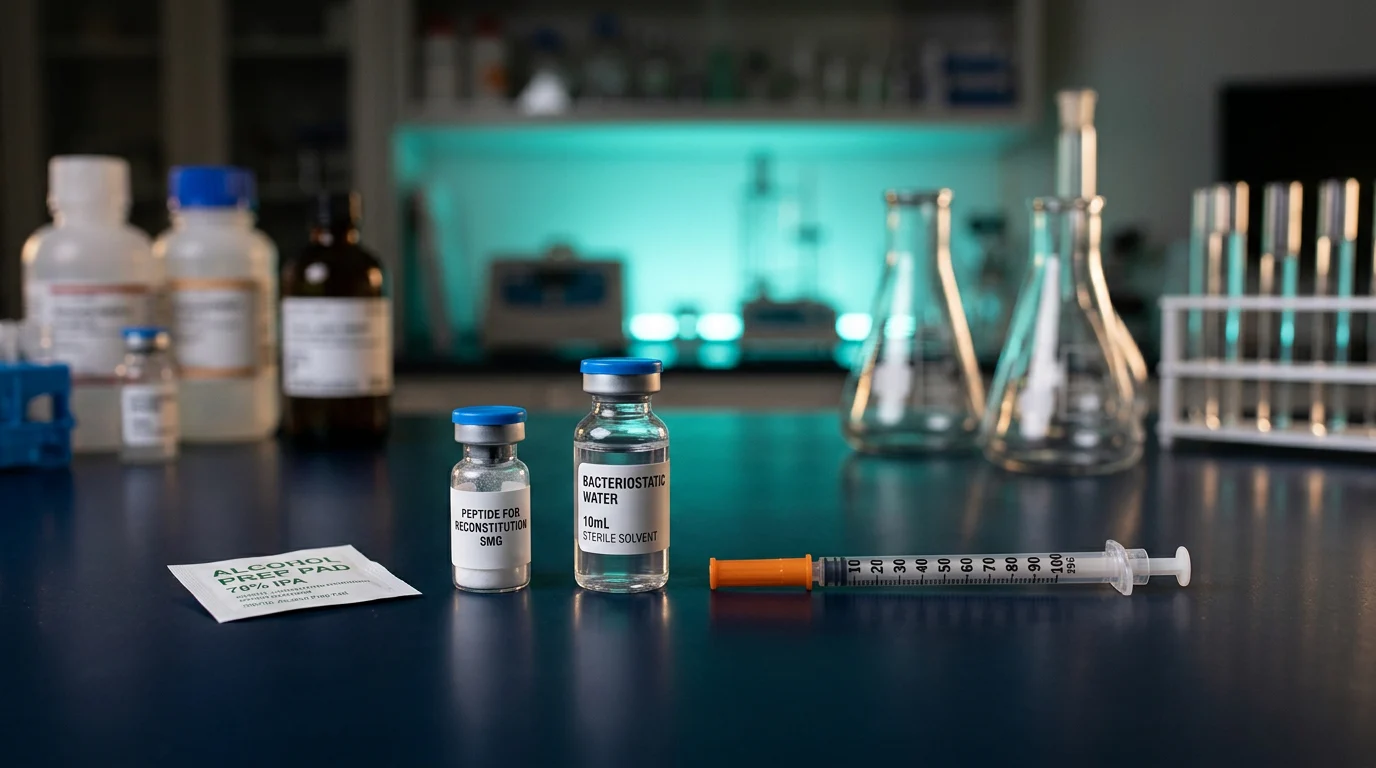
How to Reconstitute Peptides: Step-by-Step Guide
Proper reconstitution is critical for peptide efficacy and safety. Here is a complete step-by-step guide with calculation examples.
Peptide Injections: Complete Guide for Researchers
Proper injection technique is fundamental to peptide research accuracy. This guide covers everything from equipment selection to sterile procedure for consistent, reliable results.
Frequently Asked Questions
The most extensively researched healing peptides are BPC-157 (Body Protection Compound-157) and TB-500 (Thymosin Beta-4 fragment). BPC-157 drives angiogenesis and growth factor signaling for tissue repair, with over 100 preclinical studies documenting accelerated healing in tendons, muscles, gut lining, and nerves. TB-500 promotes cell migration, stem cell activation, and anti-inflammatory signaling. GHK-Cu is also noteworthy for extracellular matrix remodeling and collagen synthesis.