Editorial Review
Author: PurePep Vital Research Editorial Team|Reviewed by: Scientific Compliance Reviewer
Last reviewed: February 2026
The Legal Landscape of Peptides
Most peptides are legal to buy. The rules depend on the peptide, where you are, and how you use it.
Three main categories:
- Dietary supplement peptides (e.g. collagen, creatine peptides) — Legal and widely sold as supplements in most countries.
- Research peptides (e.g. BPC-157, TB-500, many GHRPs) — Legal for research in most places. Not approved for human therapeutic use.
- Prescription peptide drugs (e.g. Semaglutide, Tirzepatide) — FDA-approved. You need a prescription.
Many peptides sit between these groups, and rules are changing. The same peptide can have different status in different countries. For more on peptide types, see our peptide guide and can doctors prescribe research peptides.
Understanding Peptide Categories
Regulators put peptides into three buckets:
Dietary supplement peptides
Collagen, whey peptides, and similar food-derived chains. In the US they fall under DSHEA as supplements, not drugs. No prescription needed. The collagen market alone was over $900M in 2024.
Research peptides
BPC-157, TB-500, GHK-Cu, CJC-1295, Ipamorelin, and similar are research chemicals. Legal to make, sell, and buy for research. Not FDA-approved for human use. Not for human consumption. Researchers and labs can use them within these rules.
Prescription therapeutics
Over 80 peptide drugs are FDA-approved. Examples: Semaglutide (diabetes/weight), Tesamorelin (HIV lipodystrophy), Octreotide (acromegaly). They need a prescription and a pharmacy. Safety and efficacy come from Phase I–III trials.
Which bucket a peptide is in decides how you can get it and what rules apply. Treating a research peptide as a supplement can cause legal trouble.
United States Peptide Regulations
In the United States, peptide regulation falls under multiple agencies:
- FDA: Regulates peptides classified as drugs. Peptide therapeutics must go through the New Drug Application (NDA) process. That includes preclinical testing, Phase I-III clinical trials, and post-market surveillance. Unapproved peptides cannot be marketed for human therapeutic use
- DSHEA: Collagen peptides and amino acid-based supplements are regulated as dietary supplements, not drugs. Manufacturers must follow cGMP rules and cannot make disease treatment claims. Structure/function claims (e.g., "supports joint health") are allowed
- Research chemical classification: Many peptides are available as research chemicals. This is legal under current regulations. They must be labeled "for research use only" and cannot be marketed for human consumption
- DEA: Peptides are generally not classified as controlled substances. They do not carry the legal penalties associated with scheduled drugs like anabolic steroids
Recent FDA changes have increased scrutiny on compounding pharmacies that prepare peptide formulations. In late 2023 and into 2024, the FDA nominated several peptides (including BPC-157) for its "Demonstrably Difficult to Compound" list. This would restrict their availability through compounding pharmacies.
Purchasing research peptides is legal. However, marketing or selling them for human consumption without FDA approval is not. This distinction is critical for both suppliers and consumers.
Free Peptide Calculator
Calculate precise reconstitution volumes and dosages with our peptide calculator tool.
International Regulations
United Kingdom: Peptides are not controlled substances under the Misuse of Drugs Act 1971. Procurement rules depend on marketing claims and end-use (laboratory research vs. medicinal products). Selling peptides as medicines without MHRA authorization is prohibited. The UK's post-Brexit framework has created some divergence from EU rules. The MHRA now decides independently which peptide products need marketing authorization.
Australia: The TGA classifies most therapeutic peptides as prescription-only (Schedule 4). This means peptides like BPC-157 and TB-500 require a prescription for legal possession and use. Collagen peptides remain available as dietary supplements. Personal importation requires a valid prescription.
The TGA's Personal Importation Scheme allows a 3-month supply with proper documentation. Australia has some of the strictest peptide regulations globally.
Canada: Health Canada regulates peptides much like the US. Dietary supplement peptides (Natural Health Products) are widely available. Therapeutic peptides may require a prescription or be available through compounding pharmacies under provincial rules. Canada's Special Access Programme may allow access to unapproved peptides for serious conditions when standard treatments have failed.
European Union: Rules vary by member state but generally follow EMA guidelines. Supplement peptides are regulated under EU General Food Law (EC 178/2002). Therapeutic peptides require marketing authorization through EMA or national procedures. Research peptides can generally be purchased for in-vitro and laboratory research.
For updates on the legal classification of specific compounds, see our SARMs vs. peptides comparison, which includes a detailed legal status comparison.
Get Peptide Research Updates
New research, product launches, and exclusive offers. No spam.
Recent Regulatory Changes and Trends
The peptide regulatory landscape is changing fast. Several key developments are shaping the legal framework:
FDA Compounding Oversight
The FDA has stepped up oversight of compounding pharmacies that produce peptide formulations. Under Section 503A and 503B, compounding pharmacies can prepare custom medications. But the FDA has challenged certain peptides by nominating them for the "Demonstrably Difficult to Compound" list.
This has created uncertainty around compounded peptide availability. It has also driven more interest in research-grade peptide purchases.
Growing Mainstream Acceptance
The commercial success of GLP-1 receptor agonists like Semaglutide and Tirzepatide has brought peptide science into the mainstream. This visibility has sped up regulatory attention. The result: faster approval of new peptide therapeutics and more scrutiny of unregulated products making therapeutic claims.
International Harmonization Efforts
International regulatory bodies are coordinating more on peptide classification. The ICH has published guidelines on peptide characterization and quality standards. These are being adopted across multiple jurisdictions. This could standardize what "pharma-grade" means globally.
WADA and Sports Regulations
WADA prohibits most growth hormone secretagogue peptides and some recovery peptides in competitive athletics. Athletes subject to anti-doping rules should verify the WADA status of any peptide before use. Not all peptides are prohibited — collagen is permitted.
Stay current by following official regulatory body announcements (FDA, TGA, MHRA). Supplement industry publications may have commercial biases.
Important Disclaimer
All products and information on this page are intended strictly for laboratory and scientific research use only. Not for human consumption. These statements have not been evaluated by the FDA.
How to Buy Peptides Safely and Legally
For those considering buying peptides, these guidelines help you stay legal and safe:
- Identify the category: Is it a dietary supplement, research compound, or prescription therapeutic? This decides the legal pathway. Collagen supplements can be bought from any retailer. Research peptides must come from qualified research chemical suppliers. Prescription peptides need a valid prescription
- Source from reputable suppliers: Look for companies that provide third-party COAs with HPLC purity data. They should follow applicable regulations, maintain transparent practices, and label products for their intended use
- Verify quality documentation: Request COAs for every batch. Good COAs include HPLC purity (target 99%+), mass spectrometry identity confirmation, endotoxin testing, sterility testing for injectable-grade products, and amino acid analysis
- Consult healthcare providers: For therapeutic peptides, work with licensed practitioners. Many clinics now specialize in peptide therapy and can guide compound selection and dosing
- Understand labeling: Research peptides will say "for research use only" — this is a legal requirement, not a quality indicator. Dietary supplements have Supplement Facts panels. Prescription peptides have full pharmaceutical labeling
- Stay informed: Regulations change. Follow official regulatory body websites for updates. Do not rely on forum discussions alone
PurePep Vital does not sell peptides or run lab tests—we publish education and link to third-party retailers. Use the guidelines above with any supplier you choose; verify COAs with them directly. Browse research listings · What we do (and don’t).
Pharma-Grade vs. Research-Grade Quality
The terms "pharma-grade" and "research-grade" are common in peptide marketing. Understanding what they mean matters for both legal and safety purposes.
Pharma-Grade Peptides
True pharma-grade peptides are made under cGMP rules in FDA-registered or equivalent facilities. They undergo extensive quality control:
- Identity verification (mass spectrometry)
- Purity analysis (HPLC at 99%+)
- Potency, sterility, and endotoxin testing
- Heavy metals analysis
Pharma-grade manufacturing keeps complete batch documentation, validated processes, and environmental controls.
Research-Grade Peptides
Research-grade peptides are made for laboratory research use. Quality standards vary greatly between suppliers. Reputable companies still provide HPLC and mass spectrometry data. But manufacturing may not follow full cGMP protocols. Purity typically ranges from 95-99%.
Why It Matters
For research that requires high precision, purity directly affects results. A peptide at 95% purity contains 5% unknown compounds. These can include impurities, truncated sequences, or degradation products. They may confound results or introduce unwanted biological activity.
For precision experiments, labs typically seek high documented purity from vendors (HPLC/MS on batch COAs)—verification is between buyer and seller, not PurePep Vital. See our bioactive precision peptides guide for why purity matters in research.
Staying Compliant: Best Practices
Whether a researcher, practitioner, or institution, these best practices help ensure compliance with peptide regulations:
- Document intended use: If buying research peptides, keep clear documentation of research purpose. Institutional buyers should have research protocols on file
- Do not make or rely on therapeutic claims: Research peptides cannot be marketed with therapeutic claims. Be cautious of suppliers who market research compounds with health benefit claims. This suggests non-compliance that could affect quality as well
- Work with licensed professionals: For any therapeutic use, work with licensed healthcare providers. They can prescribe approved peptides or guide access through compounding channels
- Verify supplier compliance: Ask suppliers about their regulatory compliance. Legitimate companies welcome these questions. Evasive companies may not be reliable
- Know the applicable jurisdiction: Regulations vary by country, state, and province. US state pharmacy rules, Australian scheduling decisions, and Canadian provincial regulations can all affect availability
- Keep records: Maintain purchase records, COAs, and supplier correspondence. This protects against regulatory inquiries and ensures traceability
The peptide industry is maturing rapidly. Regulatory frameworks are becoming more defined. Buyers who prioritize documentation and legal use paths stay ahead as rules evolve. Browse research listings—we link to retailers; we do not guarantee their compliance.
Important Disclaimer — For Research Use Only
The information provided is for educational and research purposes only. All peptides discussed or linked on this site are intended strictly for laboratory and scientific research use only (RUO) and are not for human consumption, injection, ingestion, or any therapeutic application. These products have not been evaluated or approved by the FDA or any regulatory body and are not intended to diagnose, treat, cure, or prevent any disease or condition. Reliance on this content is at your own risk. Consult qualified professionals for any health-related decisions. PurePep Vital disclaims all liability for misuse. Products are offered by third-party retailers for research use only.
PurePep Vital is an editorial publisher, vendor comparison resource, and affiliate deal tracker. We do not manufacture, compound, sell, ship, test, prescribe, or handle peptide products. Purchases are completed directly through third-party retailers. PurePep Vital is not a compounding pharmacy or chemical compounding facility as defined under 503A of the Federal Food, Drug, and Cosmetic Act. PurePep Vital is not an outsourcing facility as defined under 503B of the Federal Food, Drug, and Cosmetic Act.
Disclosure: This page contains affiliate links. We may earn from qualifying purchases. See our full disclosure.
Need deals after the research?
Use the deals hub to compare current offers, partner codes, and research news. We recommend retailers that provide quality signals when available.
Explore Our Guides
Related Articles

SARMs vs. Peptides: A Comprehensive Comparison Guide
SARMs and peptides are both popular performance-enhancing compounds, but they work through fundamentally different mechanisms. Here is how they compare.
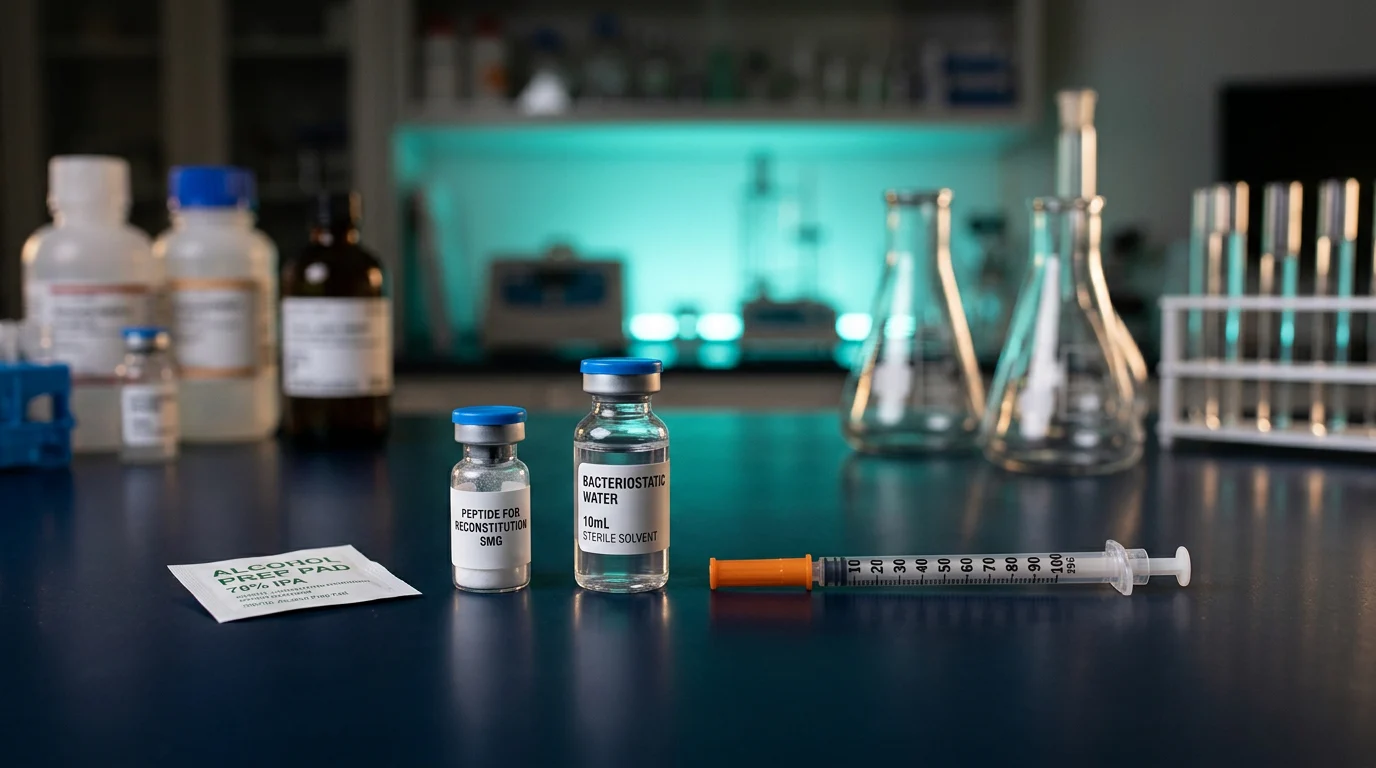
How to Reconstitute Peptides: Step-by-Step Guide
Proper reconstitution is critical for peptide efficacy and safety. Here is a complete step-by-step guide with calculation examples.

Bioactive Precision Peptides: Targeted Compounds for Specific Results
Bioactive precision peptides represent the cutting edge of targeted biological intervention. Here is how they differ from generic peptide products.

Peptide Nasal Sprays: Delivery Research Comparison (RUO)
Intranasal peptide delivery is a research topic with real pharmacokinetic constraints. This guide compares spray SKUs as materials—not as instructions for use.
Frequently Asked Questions
Yes, most peptides are legal to purchase. Collagen and dietary supplement peptides are widely available. Research peptides can be legally purchased for research purposes. Prescription peptide therapeutics require a valid prescription. Legality depends on the specific peptide, the jurisdiction, and intended use. Peptides are generally not classified as controlled substances.