Editorial Review
Author: PurePep Vital Research Editorial Team|Reviewed by: Scientific Compliance Reviewer
Last reviewed: December 2025
Why Bodybuilding Research Has Shifted Toward Peptides
The bodybuilding community has turned its attention from traditional anabolic agents to peptides — and the shift is not purely trend-driven. Growth hormone peptides, recovery compounds, and muscle-protective peptides offer targeted biological processes.
These differ greatly from the broad hormonal manipulation of anabolic steroids. Where steroids flood receptor systems with excess hormone levels, peptides work by amplifying the body's own signaling cascades.
This distinction matters because peptides tend to produce effects within normal physiological ranges. Growth hormone secretagogues, for example, stimulate the pituitary to release its own GH in pulsatile patterns that mimic natural secretion. This differs from the flat, elevated levels produced by external GH injection.
Research in the Journal of Clinical Endocrinology and Metabolism has shown that this pulsatile pattern is more effective for fat breakdown and muscle protein synthesis than constant GH elevation.
The peptide landscape for bodybuilding spans several categories:
- GH secretagogues (CJC-1295, Ipamorelin, GHRP-6)
- Recovery peptides (BPC-157, TB-500)
- Muscle-protective compounds (Follistatin 344)
- Metabolic modulators (AOD-9604, Tesamorelin)
Each targets specific bottlenecks in muscle growth, recovery, and body composition. For a basic overview of peptide biology, see our complete peptide guide.
Growth Hormone Secretagogues: The Core of Bodybuilding Peptides
Growth hormone secretagogues (GHS) are the most widely researched peptides for bodybuilding. These compounds stimulate the anterior pituitary gland to release natural growth hormone. They leverage the body's own production system rather than adding external hormone.
CJC-1295 (with DAC)
CJC-1295 is a growth hormone-releasing hormone (GHRH) analog with a drug affinity complex (DAC). The DAC extends its half-life from minutes to about 6–8 days.
A landmark study in the Journal of Clinical Endocrinology and Metabolism (2006) showed that a single 60 mcg/kg dose of CJC-1295 DAC increased mean GH levels by 2–10 fold and IGF-1 levels by 1.5–3 fold for 6 or more days.
For bodybuilding research, this sustained elevation supports steady anabolic signaling. It avoids the peaks and troughs of short-acting compounds.
Ipamorelin
Ipamorelin is a selective growth hormone secretagogue that acts on the ghrelin receptor (GHS-R1a). It does not greatly affect cortisol, prolactin, or ACTH levels — a selectivity profile unique among GH-releasing peptides.
Research by Raun et al. in the European Journal of Endocrinology (1998) showed that Ipamorelin produces dose-dependent GH release comparable to GHRP-6. It does so without the appetite stimulation or cortisol elevation. This makes it especially relevant for bodybuilding protocols where appetite control and cortisol management are priorities.
GHRP-6 and GHRP-2
Growth hormone-releasing peptides 6 and 2 are hexapeptides that stimulate GH release through the ghrelin receptor pathway. GHRP-6 is known for potent appetite stimulation — useful during bulking phases. GHRP-2 offers similar GH release with less appetite impact.
Research shows GHRP-2 produces the highest peak GH release among available GH secretagogues. Peak levels reach 5–15 times baseline within 15–30 minutes of dosing.
The most effective research protocols combine a GHRH analog (CJC-1295) with a GHRP (Ipamorelin or GHRP-2) for combined GH release. Studies show this combination produces GH output 2–3 times greater than either compound alone. The GHRH provides the releasing signal while the GHRP amplifies the pituitary response and suppresses somatostatin (the GH-inhibiting hormone).
Recovery Peptides: BPC-157 and TB-500
Recovery is where bodybuilding progress is actually realized — muscle grows during repair, not during training. Two peptides dominate the recovery research landscape:
BPC-157 (Body Protection Compound-157): A 15-amino-acid peptide derived from a protective protein found in human gastric juice. BPC-157 offers several key actions:
- Promotes tendon and ligament healing through fibroblast growth and collagen synthesis
- Speeds muscle tear repair via satellite cell activation
- Boosts blood vessel growth through VEGF and VEGFR2 pathway upregulation
- Shows anti-inflammatory effects through nitric oxide system control
Published research in the Journal of Physiology-Paris shows BPC-157 speeds muscle healing by 50–70% in preclinical injury models. For bodybuilders, this means reduced downtime from training injuries and potentially faster adaptation to progressive overload.
TB-500 (Thymosin Beta-4 Fragment): TB-500 is a synthetic version of the 43-amino-acid protein Thymosin Beta-4. It regulates cell migration, differentiation, and actin polymerization. In bodybuilding recovery, TB-500:
- Promotes flexible scar tissue formation (reducing the functional limit of healed injuries)
- Increases cellular migration to injury sites
- Supports new blood vessel growth for improved nutrient delivery to damaged tissue
Research in Annals of the New York Academy of Sciences shows TB-500 reduces inflammation markers by 40–60% in tissue injury models.
The combination of BPC-157 and TB-500 — sometimes called the "Wolverine stack" — targets different recovery pathways. BPC-157 focuses on tendon, ligament, and GI repair. TB-500 addresses muscular and cardiovascular tissue. Learn more in our Wolverine stack guide.
Free Peptide Calculator
Calculate precise reconstitution volumes and dosages with our peptide calculator tool.
Muscle-Specific and Metabolic Peptides
Beyond GH secretagogues and recovery compounds, several peptides target muscle-specific pathways relevant to bodybuilding:
Follistatin 344: Follistatin is a natural antagonist of myostatin — the protein that limits muscle growth. By binding and neutralizing myostatin, follistatin removes the biological "brake" on muscle hypertrophy. Preclinical studies show follistatin gene therapy increased muscle mass by 15–25% without exercise.
Research in Cell (2017) confirmed that myostatin inhibition produces genuine myofiber hypertrophy rather than simply water retention or glycogen loading. For bodybuilders, myostatin inhibition represents a very different growth pathway than hormonal manipulation.
AOD-9604: A modified fragment of human growth hormone (amino acids 176–191) that retains GH fat-burning activity without affecting blood sugar or growth. Research in Obesity Research showed that AOD-9604 stimulated fat breakdown and inhibited fat creation in human adipose tissue models.
For bodybuilding research, AOD-9604 is studied for its ability to support body recomposition — fat loss without muscle breakdown. This is a very difficult outcome to achieve through caloric restriction alone.
Tesamorelin: An FDA-approved GHRH analog originally developed for HIV-associated lipodystrophy. Clinical trials showed large reductions in visceral adipose tissue (VAT) with improvements in trunk fat distribution. A 2010 study in the New England Journal of Medicine showed Tesamorelin reduced VAT by 15.2% over 26 weeks while also increasing IGF-1 levels.
This dual action — visceral fat reduction plus IGF-1 elevation — makes Tesamorelin especially relevant for bodybuilding body composition research.
For comparative analysis of peptides versus SARMs for muscle growth, see our SARMs vs peptides comparison.
Get Peptide Research Updates
New research, product launches, and exclusive offers. No spam.
Research-Based Dosing Protocols for Bodybuilding Peptides
The following dosing frameworks come from published research protocols. They are for educational reference only. All peptide research should be conducted under proper supervision.
GH Secretagogue Stacks
The most studied combination is CJC-1295 (no DAC, also called Mod GRF 1-29) at 100 mcg combined with Ipamorelin at 100–200 mcg. This is given subcutaneously 2–3 times daily. Timing is typically upon waking, post-workout, and before bed — aligning with natural GH pulse windows.
The before-bed dose builds on the combined effect between peptide-stimulated and sleep-induced GH release. Research protocols run 8–16 weeks with 4-week off periods to prevent pituitary desensitization.
Recovery Protocols
BPC-157 research protocols use 200–500 mcg given subcutaneously once or twice daily. Injections near the injury site help with localized effects. TB-500 is typically dosed at 2–2.5 mg twice weekly during the loading phase (4–6 weeks). This is followed by 2–2.5 mg once weekly for maintenance. Both compounds can be used together for complete recovery support.
Body Composition Protocols
AOD-9604 is studied at 300–600 mcg daily, given subcutaneously on an empty stomach. Fasting boosts absorption and avoids insulin interference with fat-burning activity. Tesamorelin clinical trials used 2 mg daily subcutaneous injection. Both compounds are typically run for 12–26 weeks in published protocols.
Reconstitution with bacteriostatic water is standard for all injectable peptides. Use our peptide calculator for precise dilution volumes based on the vial concentration. Proper storage at 2–8°C after reconstitution maintains peptide stability for 4–6 weeks.
Important Disclaimer
All products and information on this page are intended strictly for laboratory and scientific research use only. Not for human consumption. These statements have not been evaluated by the FDA.
Peptide Cycling and Stacking Strategies
Effective bodybuilding peptide protocols require strategic cycling to prevent receptor desensitization. This maintains biological responsiveness. Unlike anabolic steroids, which suppress the hypothalamic-pituitary-gonadal axis, growth hormone peptides mainly risk pituitary desensitization. This is a temporary drop in GH release response with continuous use.
Standard Cycling Framework: Research protocols typically follow 8–16 weeks on, followed by 4–8 weeks off for GH secretagogues. Recovery peptides (BPC-157, TB-500) do not appear to cause receptor desensitization in published research. They are typically used as needed for the duration of an injury recovery period.
Stacking Logic: Effective peptide stacks are built on pathway pairing — each part should target a distinct process. A research-informed bodybuilding stack might include:
- CJC-1295/Ipamorelin for GH optimization
- BPC-157 for recovery acceleration
- AOD-9604 for body composition support
This addresses the three primary bottlenecks in bodybuilding progress: anabolic signaling, recovery capacity, and body fat management.
Timing Considerations: GH secretagogues should be given on an empty stomach. Food, especially carbohydrates and fats, blunts GH release. The pre-bed dose should be taken at least 2 hours after the last meal. Recovery peptides can be taken regardless of food timing. AOD-9604 fasting dosing is strongly preferred. For complete cycling frameworks, see our peptide cycling guide.
Blood Work Monitoring: Research protocols typically include baseline and follow-up blood panels. These measure IGF-1, fasting glucose, HbA1c, prolactin, and cortisol to track peptide effects and safety markers. IGF-1 elevation of 1.5–3x baseline is the target range for most GH secretagogue protocols. Levels beyond this may indicate excessive dosing.
Peptides vs Traditional Bodybuilding Compounds
Understanding how peptides for bodybuilding compare to traditional anabolic compounds helps set realistic expectations:
Process Differences: Anabolic steroids directly activate androgen receptors throughout the body. This produces rapid and large muscle protein synthesis increases. Studies show 5–20% lean mass gains in 10–12 weeks at excess doses. Growth hormone peptides work indirectly — they stimulate natural GH release, which then elevates IGF-1 and activates downstream anabolic pathways.
This indirect process produces more modest but sustainable effects. Research shows 2–5% lean mass improvements over 12–16 week protocols.
Side Effect Profiles: Anabolic steroids carry well-documented risks including HPTA suppression, liver toxicity (with oral compounds), dyslipidemia, and cardiovascular strain. GH secretagogue peptides produce mainly local side effects.
These include injection site reactions, transient water retention, and occasional numbness or tingling from GH elevation. Systemic endocrine disruption is minimal. Ipamorelin shows the cleanest side effect profile among GH-releasing compounds due to its selectivity.
Recovery and Longevity: Where peptides for men offer a distinct advantage is in recovery and long-term tissue health. BPC-157 and TB-500 directly address the connective tissue breakdown that builds up with years of heavy training. Anabolic steroids can actually worsen this by increasing muscle strength faster than tendons and ligaments can adapt. Peptide-supported recovery may extend training longevity greatly.
Legal Status: Growth hormone peptides exist in a regulatory gray area in many jurisdictions. This is distinct from the Schedule III classification of anabolic steroids. For a detailed analysis of peptide legality, see our peptide legal status guide.
Research Limitations and Practical Considerations
While the evidence base for bodybuilding peptides is growing, researchers should understand current limits:
Translation Gap: Much of the foundational peptide research comes from preclinical models. GH secretagogues have robust human clinical trial data (CJC-1295, Ipamorelin, Tesamorelin). However, many recovery and muscle-specific peptides (BPC-157, Follistatin 344) lack large-scale human trials. The biological plausibility is strong. But definitive human effectiveness data for bodybuilding-specific outcomes is still building.
Purity and Source Quality: The unregulated peptide market presents quality challenges. Research in Drug Testing and Analysis found that up to 30% of available peptide products contain wrong quantities, degraded material, or unidentified contaminants. For valid research outcomes, third-party HPLC and mass spectrometry verification is essential. Research listings—request COAs from retailers; PurePep does not verify batches.
Individual Variability: GH secretagogue response varies greatly between individuals. This depends on age, baseline GH levels, body composition, and genetic factors affecting GHS-R1a receptor density.
Research shows GH release in response to secretagogues declines about 14% per decade after age 25. Younger individuals with higher baseline GH will see smaller relative increases compared to older adults with depleted GH production.
Realistic Expectations: Peptides for bodybuilding are tools for optimization, not transformation. They boost the body's existing capacity for growth, recovery, and body composition management.
Without proper training stimulus, adequate nutrition (protein at 1.6–2.2 g/kg bodyweight), and enough sleep (7–9 hours for optimal GH secretion), even the best peptide protocol will produce minimal results. Peptides amplify good fundamentals — they do not replace them.
Important Disclaimer — For Research Use Only
The information provided is for educational and research purposes only. All peptides discussed or linked on this site are intended strictly for laboratory and scientific research use only (RUO) and are not for human consumption, injection, ingestion, or any therapeutic application. These products have not been evaluated or approved by the FDA or any regulatory body and are not intended to diagnose, treat, cure, or prevent any disease or condition. Reliance on this content is at your own risk. Consult qualified professionals for any health-related decisions. PurePep Vital disclaims all liability for misuse. Products are offered by third-party retailers for research use only.
PurePep Vital is an editorial publisher, vendor comparison resource, and affiliate deal tracker. We do not manufacture, compound, sell, ship, test, prescribe, or handle peptide products. Purchases are completed directly through third-party retailers. PurePep Vital is not a compounding pharmacy or chemical compounding facility as defined under 503A of the Federal Food, Drug, and Cosmetic Act. PurePep Vital is not an outsourcing facility as defined under 503B of the Federal Food, Drug, and Cosmetic Act.
Disclosure: This page contains affiliate links. We may earn from qualifying purchases. See our full disclosure.
Need deals after the research?
Use the deals hub to compare current offers, partner codes, and research news. We recommend retailers that provide quality signals when available.
Explore Our Guides
Related Articles
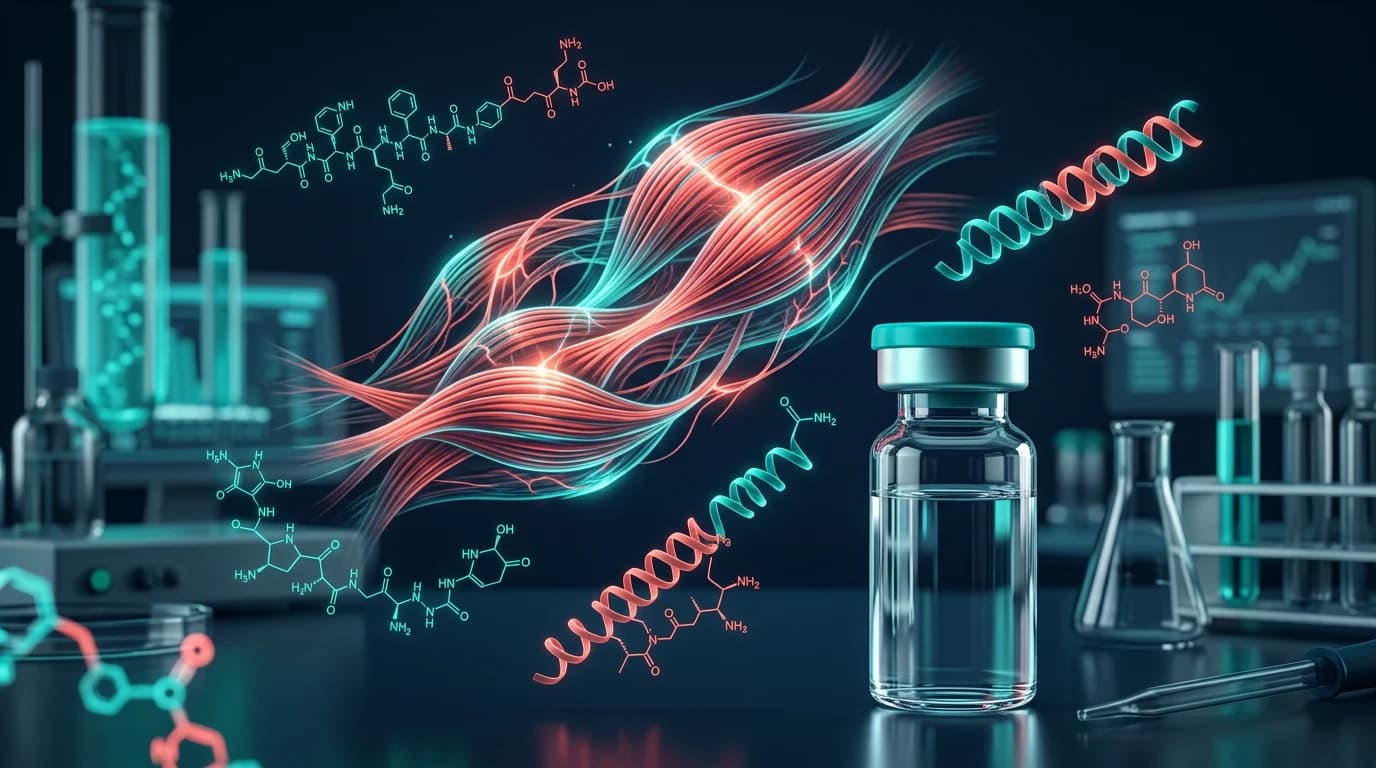
Peptides for Testosterone: Male Hormone Research Guide
Research peptides that influence the HPG axis offer a mechanistically distinct approach to testosterone optimization — interacting with the endocrine system rather than replacing it.

How to Cycle Peptides: Rotation and Stacking Research Guide
Peptide cycling — the strategic rotation and timing of peptide compounds — can prevent receptor desensitization, maintain efficacy, and optimize research outcomes. Here is what the science says.
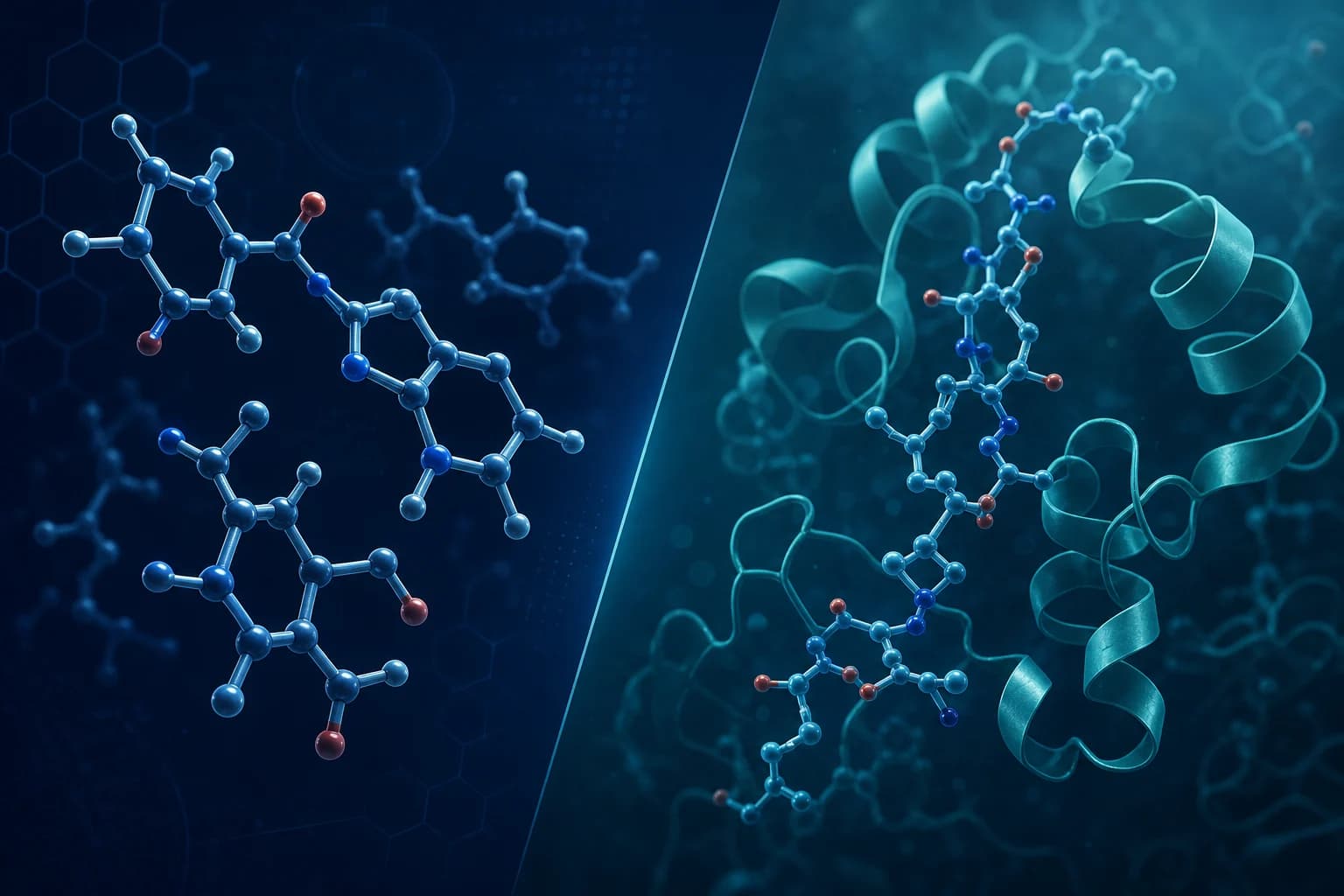
SARMs vs. Peptides: A Comprehensive Comparison Guide
SARMs and peptides are both popular performance-enhancing compounds, but they work through fundamentally different mechanisms. Here is how they compare.
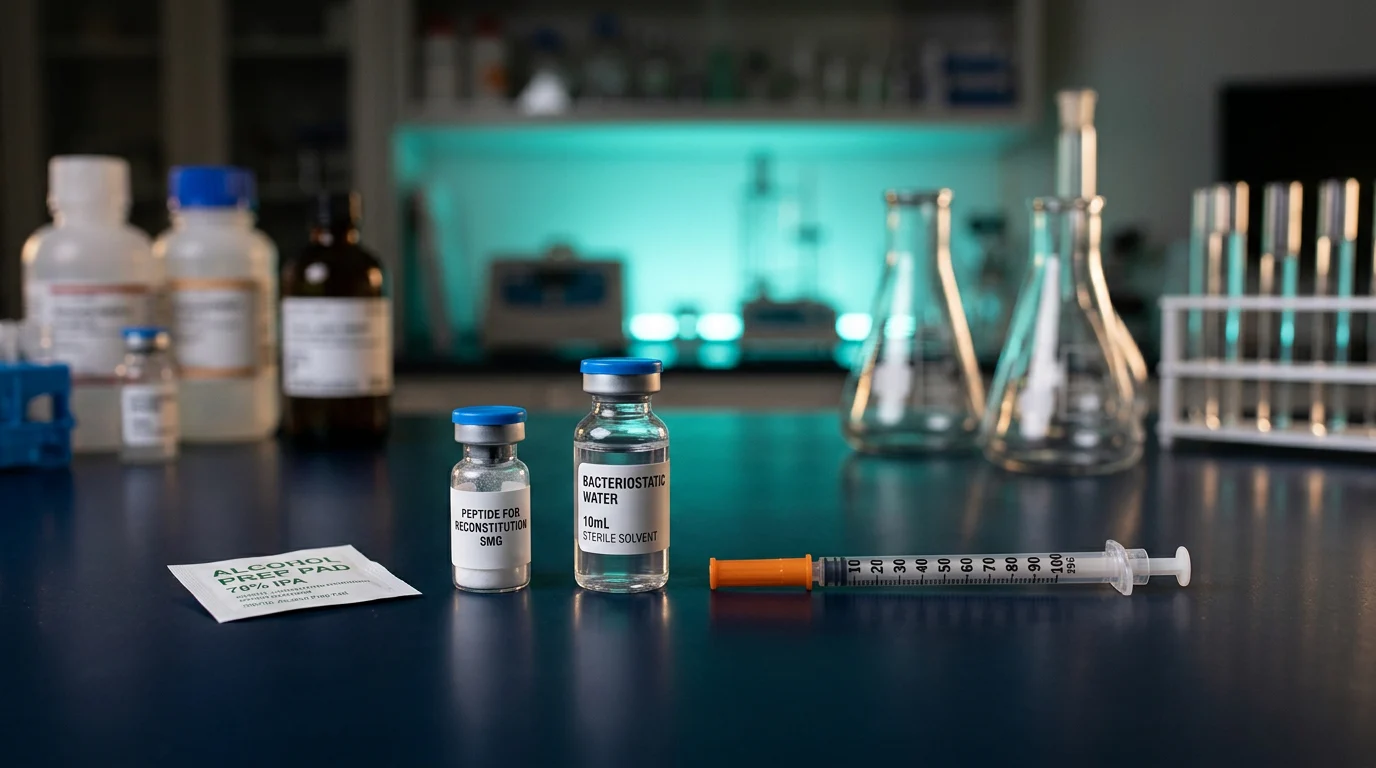
How to Reconstitute Peptides: Step-by-Step Guide
Proper reconstitution is critical for peptide efficacy and safety. Here is a complete step-by-step guide with calculation examples.
Frequently Asked Questions
The most research-supported peptides for bodybuilding are CJC-1295 and Ipamorelin (GH secretagogues for anabolic signaling), BPC-157 and TB-500 (recovery compounds for injury repair and training adaptation), and AOD-9604 or Tesamorelin (metabolic peptides for body composition). The optimal choice depends on the primary research objective — muscle growth, recovery, or fat loss — and many research protocols combine compounds from multiple categories for comprehensive support.